A rubbish story


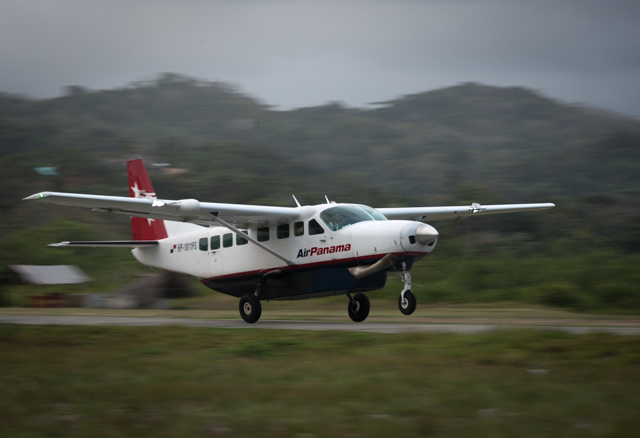
The alarm went off at 3.50am and there was no ignoring it as it was extremely loud. I guess Andy wanted to make sure we wouldn’t miss it. We met our driver in reception at 4.30am for the short drive to the airport. We checked in and soon after 6.15am, we were in the air… in a ridiculously small plane.

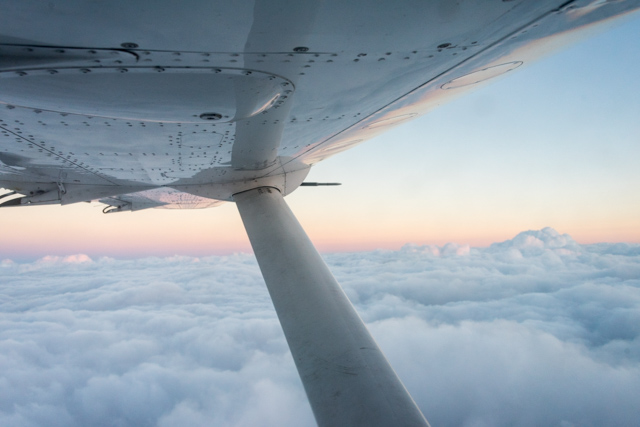
The flight was just over 30 mins (or 30 mins too long if you’re me). With just enough light in the sky, we were able to take in the Panama City skyline, and a few moments later sunrise over the clouds.

It is staggering how varied Panama is. With Bocas del Toro having such a relaxed vibe and being so hot; Boquete so mild and atmospheric; Santa Catalina so small and laid back; Panama City (and the canal) being so slick and modern and now here we are… in Guna Yala (formerly known as the San Blas islands), away from modern technology. A true place to unwind.

We first heard about San Blas in 2001, and since then, I have wanted to come here. This is the home of the Kuna indigenous people.

  • The Kuna speak Dulegaya. Yes is eye, no is suli. Hammock is kachi. Water is di and island is dup
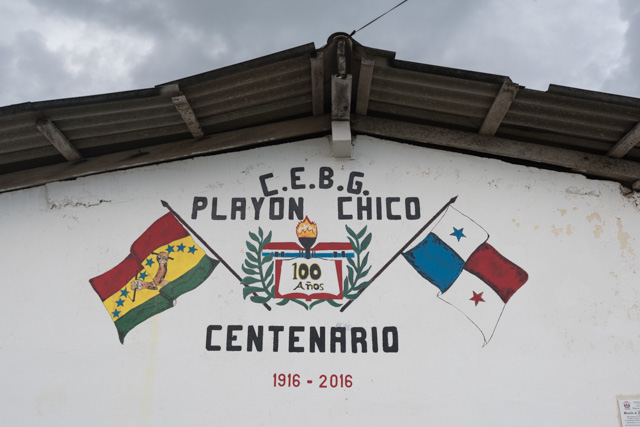
  • Playón Chico (Ukupseni) was the centre of the 1925 Tule revolution. The uprising against the Panamanian government which was using military action to force them to adopt Hispanic culture, led to political autonomy from the mainland. They celebrate each February and flags have started to pop up across the community
  • It is said that the Kunas had the first autonomous indigenous territory in Panama and Latin America
  • They are the second smallest people in the world after the pygmies

We are staying at the Yandup Island Lodge. It wasn’t easy making this happen and yesterday, as we were packing our small bags for our stay, Andy raised concerns that it was a hassle coming here, and maybe we should have skipped it (I think it was the 3.50am wake up call calling). Today, minutes after being here, he regretted the fact that there was no Internet connection, as he couldn’t research how best we could combine another trip with another stay here 🙂

The Yandup Island Lodge is eco-friendly. They have solar panels and ask their guests to be mindful of the use of water and electricity. They also engage people staying here with the community, making sure first that we don’t do anything to offend. We’re told what clothing to wear/not wear when visiting the community; how not to haggle when buying goods and how we cannot take any photos of people (in some cases, this may be possible if we ask first and probably for a small fee).

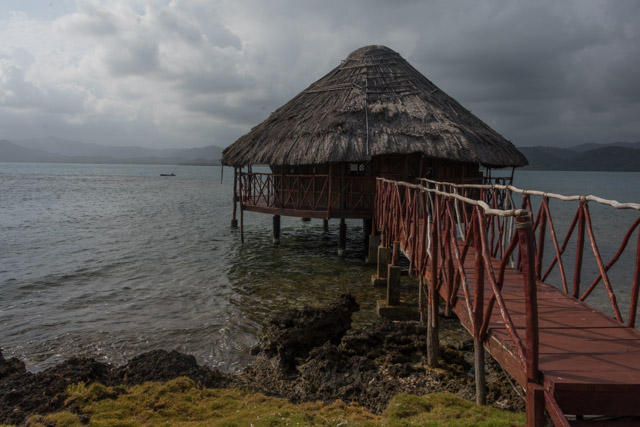
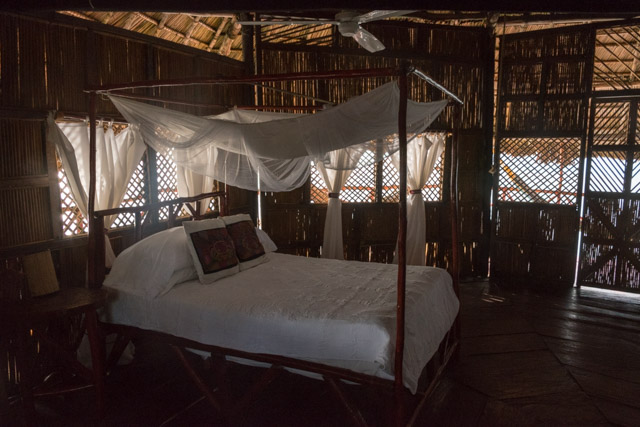
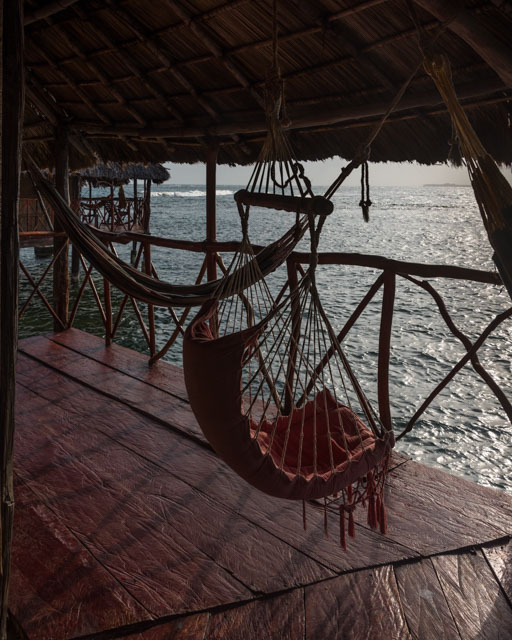
After being shown to our over-the-sea cabana (it’s gorgeous), we went to have breakfast. We have a red pepper omelette and cheese, orange juice and coffee. This is a no nonsense place. All the food is included in our package. There is one option for breakfast and set menus for lunch and dinner. This suits us well.

We also have two activities a day planned… but after a quick chat over breakfast, we’d agreed to skip this morning’s activity (snorkelling) and stay in our cabana, or to be more accurate our veranda (if that’s the correct word). We have a walkway all around our room, and to make the most of the sea view, we have two hammocks, a rocking chair and a hanging chair… tough choices.

On the spur of the moment, we decided to walk around the island (the lodge is on its own island) and five minutes later, we were in our hammocks. The four hours until lunch passed in no time. Reading, writing our diaries, staring at the view in the distance and the sea. Andy snoozed – apparently the soothing sound of the waves was the culprit 🙂

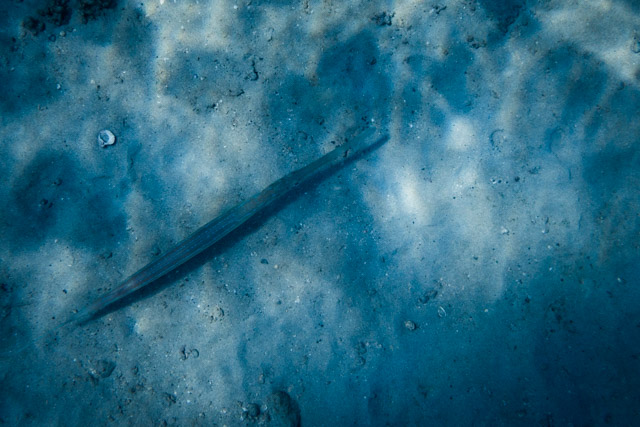
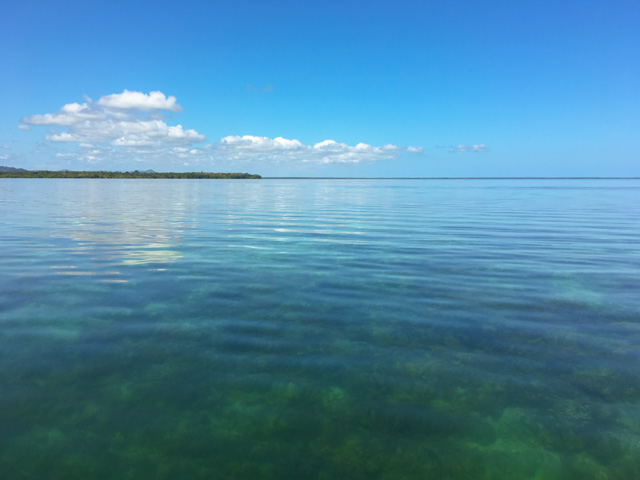
Lunch was a tasty affair – a fresh green salad, stuffed baby aubergines with green beans and potatoes and watermelon for dessert. And plenty of water. From our table, I spotted two needlefish swimming about – they’re almost translucent bright blue.

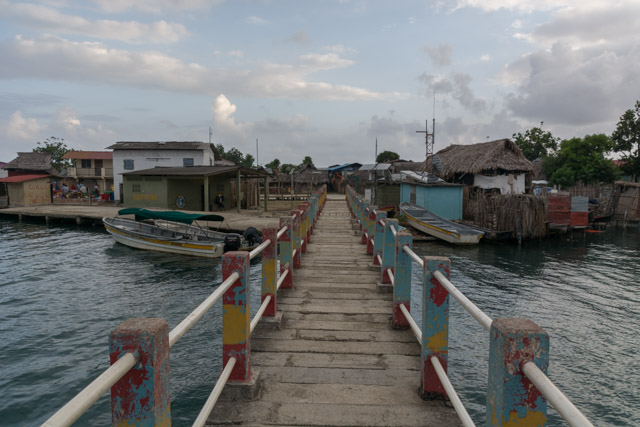
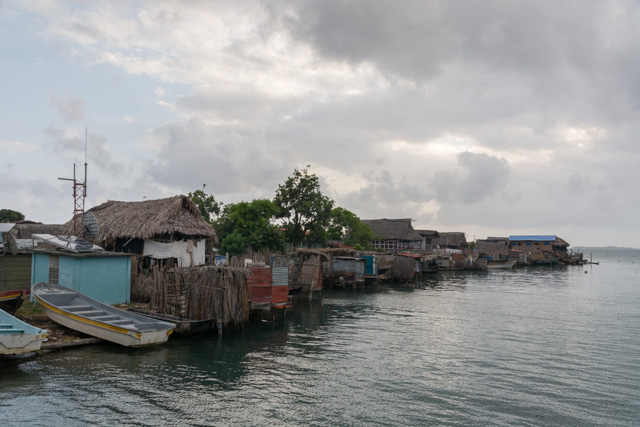
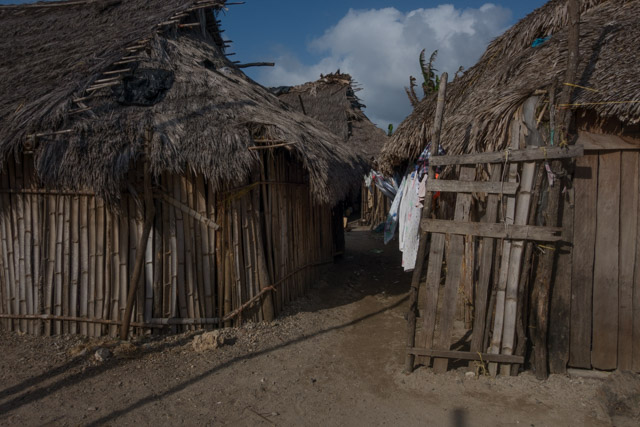
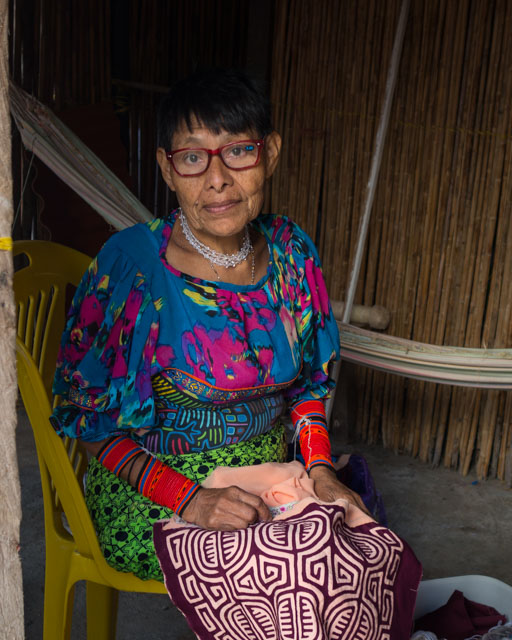
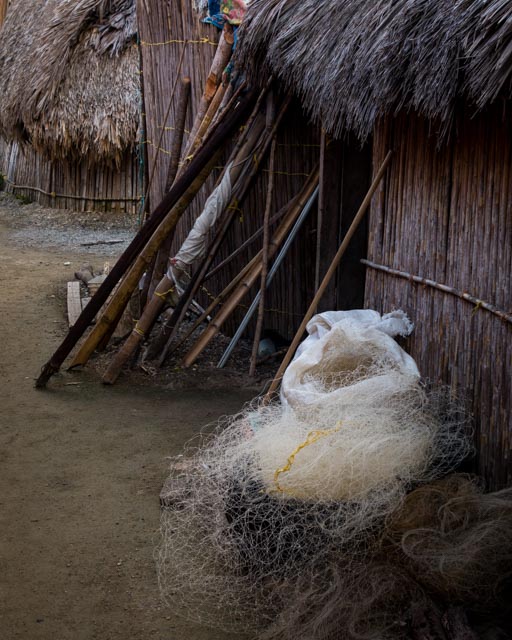
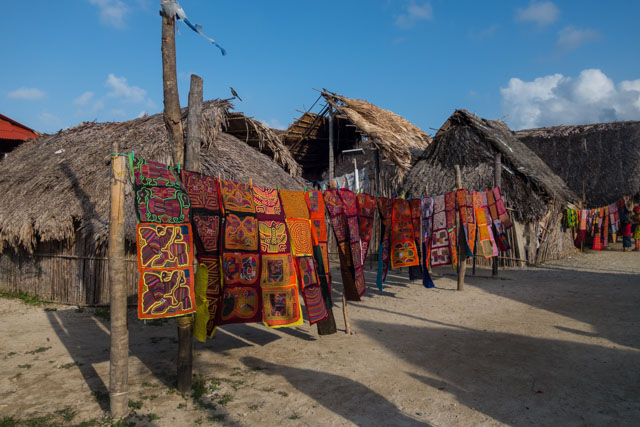
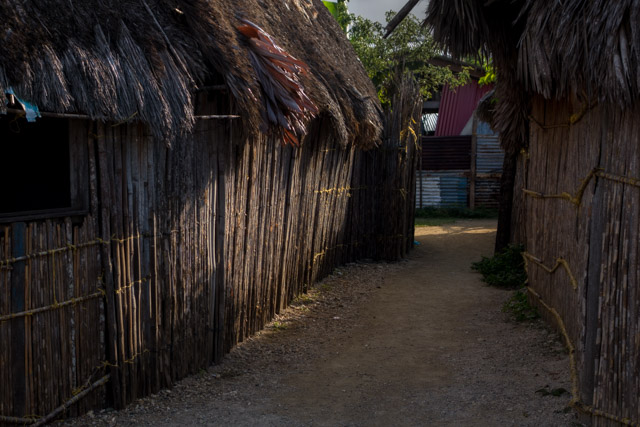
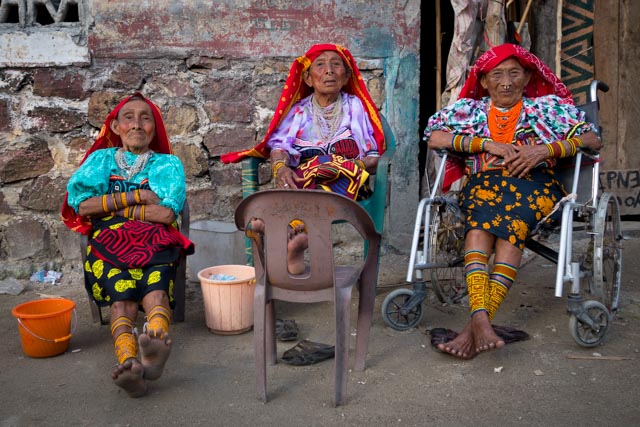
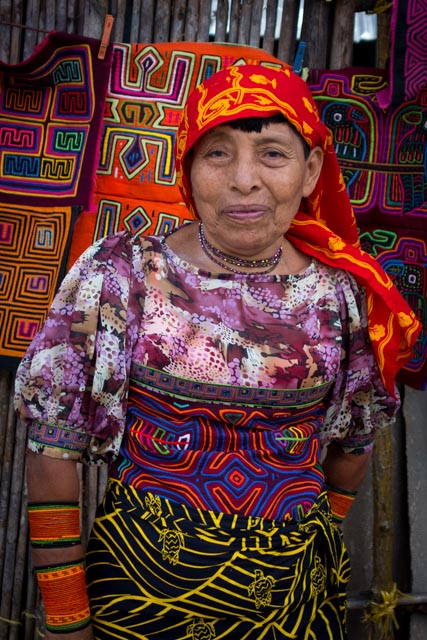
At 3.30pm, we left by boat to go to visit the Playón Chico community. Instantly, it felt like every one lives on top of each other. We learned that there are 49 Kuna communities, with around 30,000 people. Over 3.000 people live on Playón Chico alone. 60% of the population are children, with most families having between five and eight children. It’s so crowded on the island that the chief asked for volunteers to go and live on the mainland. This is now in planning, with the move planned within the next ten years. Most houses are made from material from the forest. Families commonly have two buildings – a living space and a kitchen. The women wear the Kuna traditional dress – super colourful. They are displaying their wares, mostly molas in the hope that we’ll stop and make a purchase. Traditional molas have geometric patterns. Two molas are used as part of the traditional outfit, over the skirt and blouse. Photos cost a dollar each.

There were two games of football playing on the main square – on the same pitch. All boys I noticed.

People here live simply. Mother Nature is the provider. They get fish from the sea, and food from the forest – coconut, mangos and pineapple. For wood, they burn mangrove tree and coconut shells. It is very much subsistence living.

Tourism here is well managed and controlled, and they are careful not to compromise their way of living. It is not easy to make it to Guna Yala, which means that they know exactly who is coming when and staying where. The communities benefit directly from every dollar spent.

It feels good to be able to support this community, even if only in such a small way.

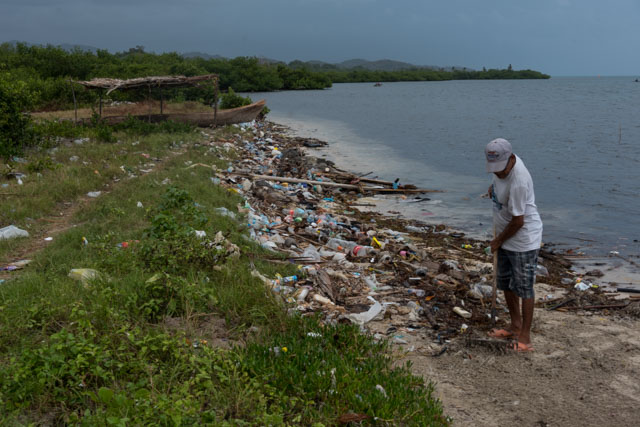
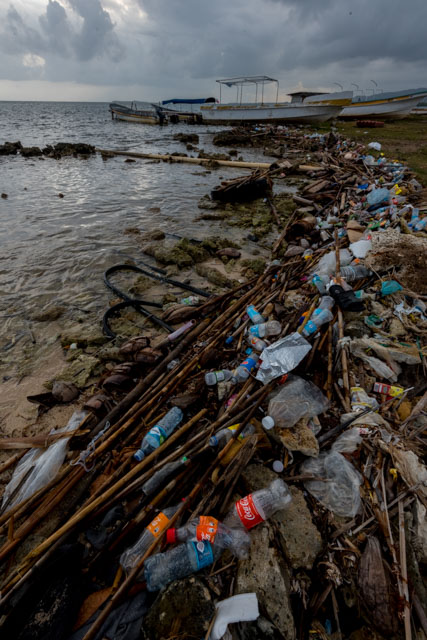
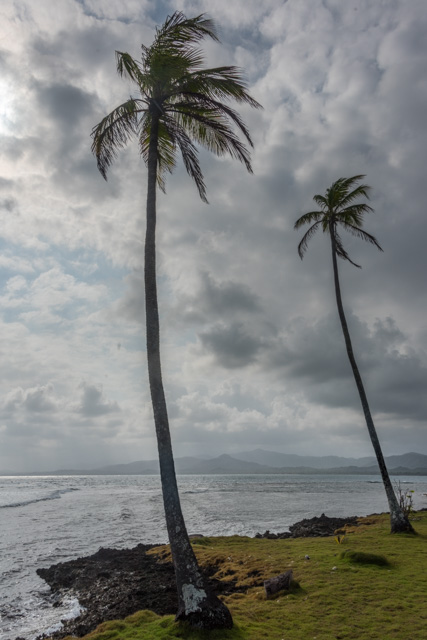
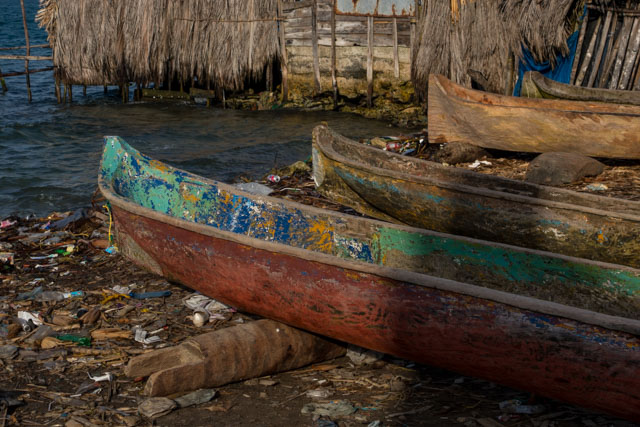
Upon landing, we’d noticed a fair amount of rubbish along the water’s edge. This was evident again around the town. Mostly plastic from further up the coast washed down here with the current. It was the same story in Santa Catalina sadly: some currents are full of rubbish, and Mike tries to pick some up each time he is on a boat. Here, there was a man busy sorting through the rubbish by the airport first thing. You can’t help but think this is a losing battle.

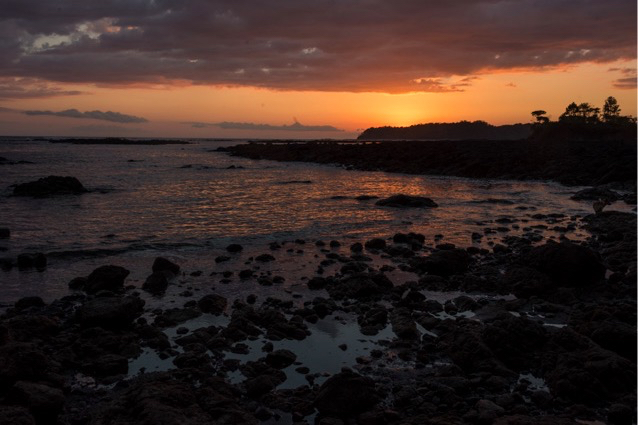
We have great crepuscular light at sunset time. After dinner, Andy went for a massage. He comes back even more chilled. We stared at the stars for ages. It was pitch black outside. We sat in our hammocks and rocked from side to side to the sound of the sea.

Yer an itoge (I am happy).

Panama Papers


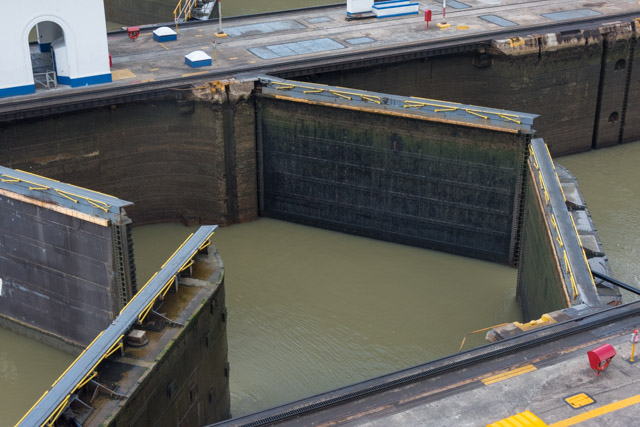
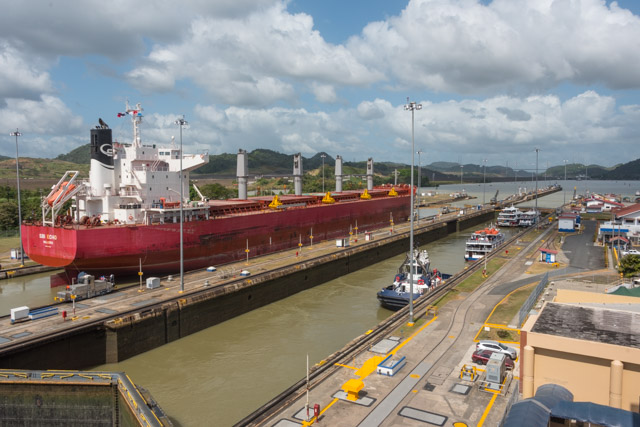
Today is all about the canal – four of us set off in a taxi at 9:30 to go to the visitors centre on the edge of the city. It’s about 15 minutes drive from the hotel. The centre overlooks Miraflores Lock, the first lock that take ships up from sea level. The majority of the canal is about 25m above sea level because it was created by flooding a valley to create a lake which forms the northern half of the route, this had to be higher to make it big enough and deep enough.

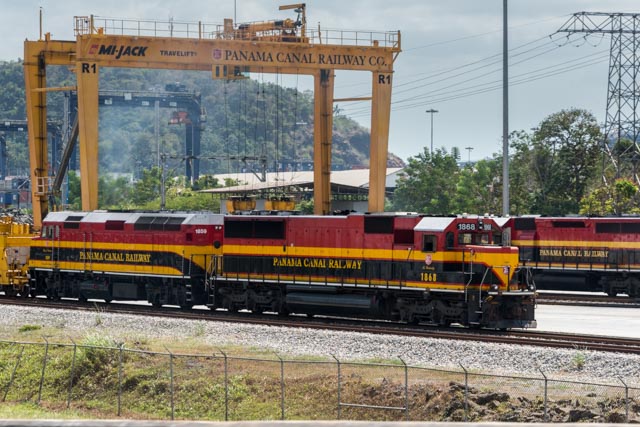
The Spanish conquerors had been investigating better ways to move goods across the isthmus of Panama since the 1540s, the majority of silver, gold and other goods they took from South America came through this area. Many plans were put forward over time. The Panama Railway was built in 1855, this is still in use and largely defined the canal route. The French started work on the canal in 1881, work continued until 1894 when the company ran out of money. The terrain had proved more difficult than expected and 25,000 workers from France and the Caribbean lost their lives. In a clever piece of political manoeuvring, Panama got help from the U.S. to gain its independence from Colombia. At the same time the U.S. bought out the French company and agreed to compete the canal; the first ship passed through the canal in 1914. This didn’t come for free however and the U.S. was granted control over the canal and the immediate surroundings along with the lion’s share of the income.  This continued until growing unrest in the sixties and seventies led to President Carter in 1977 agreeing to hand over full control to Panama in 1999.

The canal is now one of the major sources of income for the country, up to 25 ships a day pass through, charges are as high as $500,000 – estimated income is $3bn per annum. Because of the increase in sea traffic globally, the increase and the size of shipping and the threat of a Chinese-backed canal through Nicaragua it was agreed by a referendum in 2007 to spend $5bn on increasing the capacity of the canal. The new locks and channels opened in mid-2016, these allow for all but the very largest vessels to pass through.

Soon after we arrive a cargo ship is on its way into the locks from the Pacific, all traffic goes this way before midday and the opposite later. The canal operates 24 hours per day. We rush to the top floor and found a good vantage point, the railings are already crowded with spectators. The ship is eased into position by six diesel locomotives, three on each side of the lock. The captain of any vessel has to hand over command to a Panamanian pilot to pass through the locks. The gates close and the vessel almost imperceptibly starts to rise,  it looks like it’s empty as it floats very high in the water. After about 10 minutes, the lock is full and the engines ease the ship forward and into the canal itself. There are tug boats wait to pull it forward to the next lock a mile upstream. All of these locks are operating in exactly the way they were designed and built 100 years ago, an impressive feat. The visitors centre has a film, a museum and of course a gift shop – but first it’s coffee time. The coffee is from the producers in Boquete we recently stayed with – very good it is. There’s a plaque on the wall outside the cafe presented by the UK Government on the centenary of the opening in commemorating the British West Indians who worked on the canal. The film is massive PR promotion for the canal – would you believe no environmental damage was done by the recent $5bn project? We spend 3 hours at the centre, ships are queuing up to enter the locks from the North when we leave, we could easily have spent a few more hours watching them but our taxi is waiting.

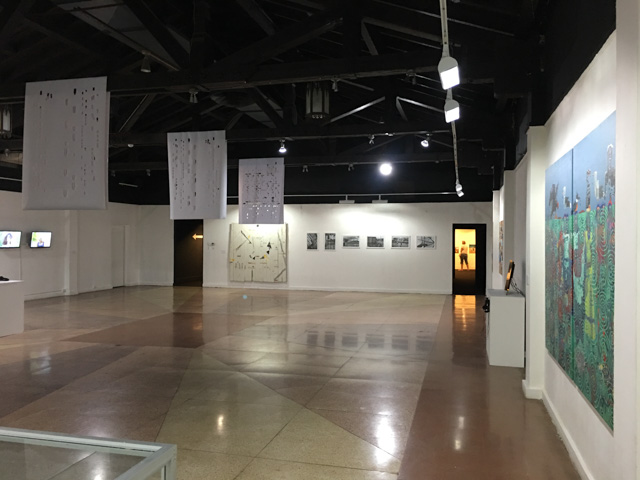
After the canal we head to the Museum of Contemporary Art, to shorten the walk we take a ride on the Metro. It’s very clean and efficient and costs 35 cents a journey. The Museum has an exhibition by a Panamanian artist David Solís on the ground floor. He has lived and worked in France for many years and this is one of his first major exhibitions in his home country. His work is interesting but doesn’t grab us too much, the same themes seem to repeat many times. The first floor has everything you expect from a Contemporary Art Gallery: obscure video works, bad photos masquerading as art, garish paintings, 3d works made from paper and a sound installation. It’s all interesting without any of it being really absorbing.

Take another metro one stop to the Albrook Shopping Mall – I need some new shoes – have to look good for Tahiti! It’s intimidating in its size, we look in a few shops and finally find an outdoor store. They have what I want but not in my size. Just time for a juice and snack before we return to the Hotel.

We’re off to the San Blas Islands very early tomorrow morning. Just like in Santa Catalina, we won’t have any internet access so we’ll post retrospectively on our return to Panana City.

Bus to the Big City

Start the day in our pink paradise. Cheese omelette sandwich for me for breakfast, plenty of jalapeños too, quite tasty – much better than the instant cappuccino.

Walk into ‘town’ to pick up some body boards but they’re closed today – not having much luck with surfing this trip. We’re leaving at midday so four of us walk down to the beach anyway, time for a quick swim before we go. The hotel dog decides it’s a good idea and comes with us.

The tide is a long way out which means there’s even more hot sun to hop across. The water is lovely as ever, the sun hasn’t quite warmed it up yet so it’s slightly cooler but very refreshing. All too soon we have to say goodbye to all this and head back to shower, finish packing and catch the bus to Panama City.

The first hour or so is through lots of lush green countryside, then we turn onto the Pan-American highway and head for the big city. After about 30 minutes we stop in Santiago for a snack and toilet break. We get surprisingly good coffee and cakes from a bakery on the edge of the bus station.

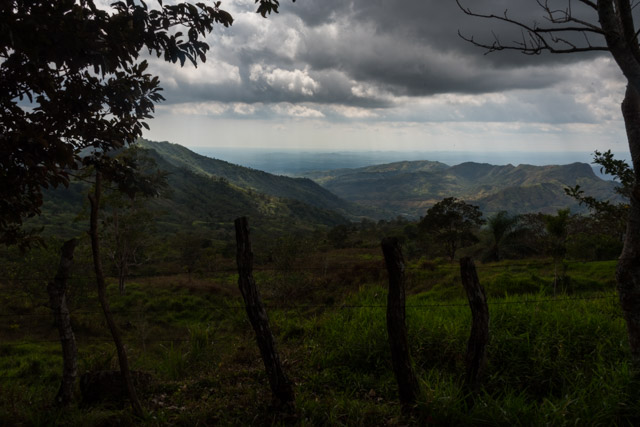
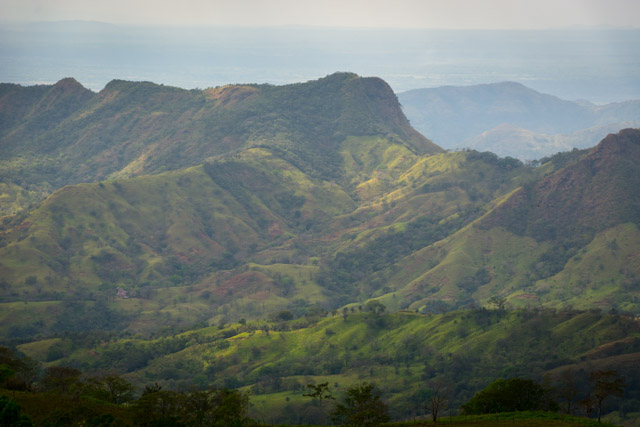
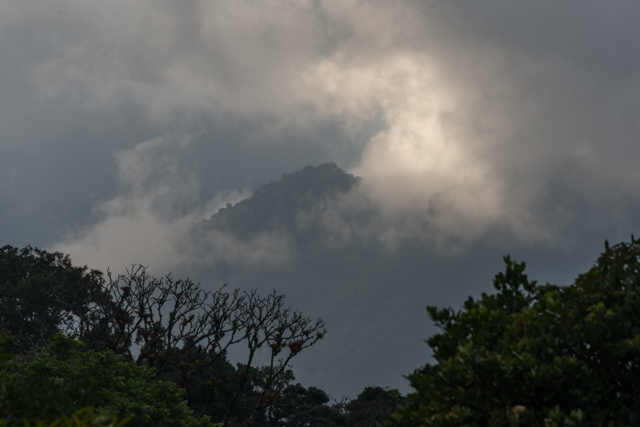
Back on the road for another couple of hours. To the north there’s a range of mountains that form the spine of the country, and the continent at this point. The clouds cling to the peaks which look very jagged wherever they poke through.

We stop again in Coronado. It’s getting late for lunch now so we just get some emergency shopping – pencils for Florence, sun-cream for me.

On the last leg of the journey, there’s a sudden heavy rain-storm but it doesn’t last; as it clears we’re suddenly on a bridge high over the Panama Canal. The continent is only 50 miles wide here, the Caribbean is 40 miles to our North, Panama City and the Pacific are on the south side.

We turn off the highway and join the traffic queue heading into the city; we’d been warned that this would happen. In this area, the Canal is everything. We can see it in the distance through the trees, we pass a couple of cemeteries created for the workers who died in its creation. A lot of the buildings we pass are former US military accommodation now lived in by locals; it’s doubtful they were painted in so many bright colours in their former existence.

Our hotel is in the mid-town area between the high-rise offices and apartments of the financial district and the old town. We have an hour to settle in then we’re out for dinner. Taxis take us to a marina created on reclaimed land in the Canal mouth – they had to do something with all the spoil from the excavations. The roads around the city are very good, one takes us around the old town on a road built on a continuous breakwater to keep the waves way form the fragile old buildings. The marina has a large number of very expensive yachts for us to choose from – one has a helicopter on it – very ostentatious.

There’s a nice breeze from the water. In the distance we can see the lights of the offices. This is officially our last night meal even though the trip has one day to go – we have to leave in the middle of the night on Sunday morning so we need a quiet night tomorrow. The food is good, pasta and pizza for us – with a nice Chilean Pinot Noir to help it along. Brayan wants to learn to enjoy wine – he isn’t impressed with this one.

The big news in Panama today is that the former dictator, Manuel Noriega, is being allowed out of prison and to live under house arrest in preparation for an operation on a brain tumour. He has been in prison since his capture in 1989. The US invasion was deemed by the UN to have been illegal, he hid in the Vatican embassy in Panama City where the US were unable to touch him. They set up a helicopter landing pad next door and bombarded him with loud music – said to have included ‘Welcome to the Jungle’ – Guns n Roses and ‘I Fought the Law’ by the Clash. After ten days he gave himself up.

Small fishes, big fishes and all sizes in between

We cooked our own breakfast this morning. Andy had a cheese omelette and I had cheese on toast with fried eggs. And a glass of fresh pineapple juice to go with it.

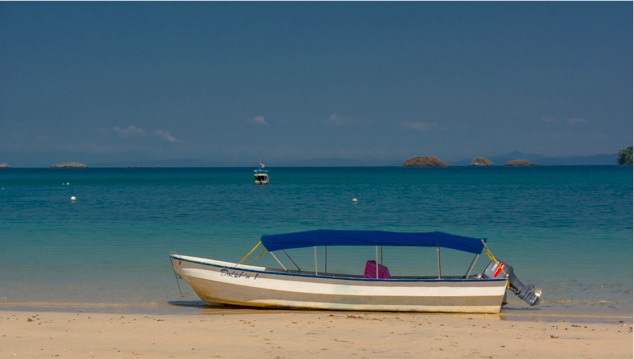
At 7.45am, Mike came to pick us up. A short drive to the harbour – if you can call it that – and we boarded Dolphin I.

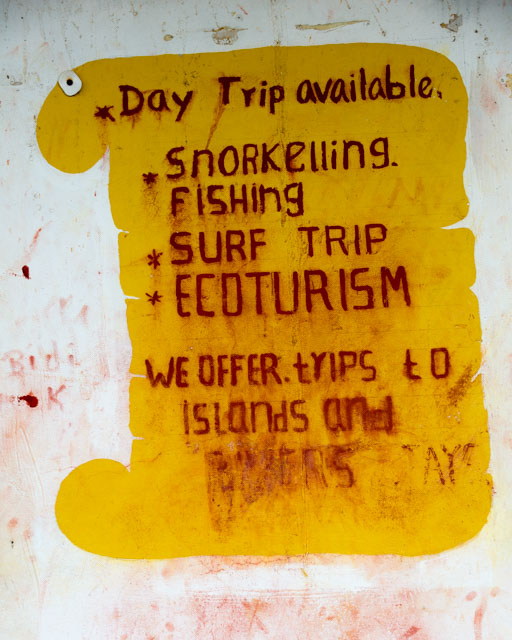
We had a full day of snorkelling ahead of us. Yes, the craziness continues!

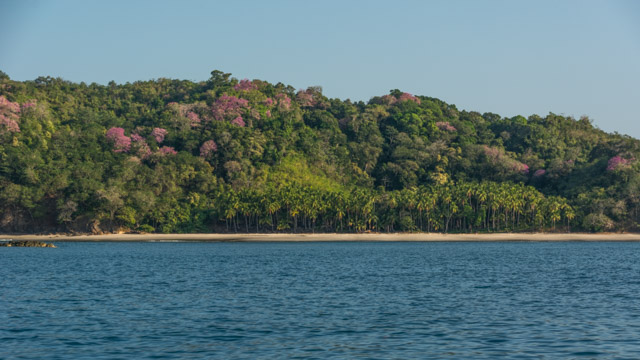
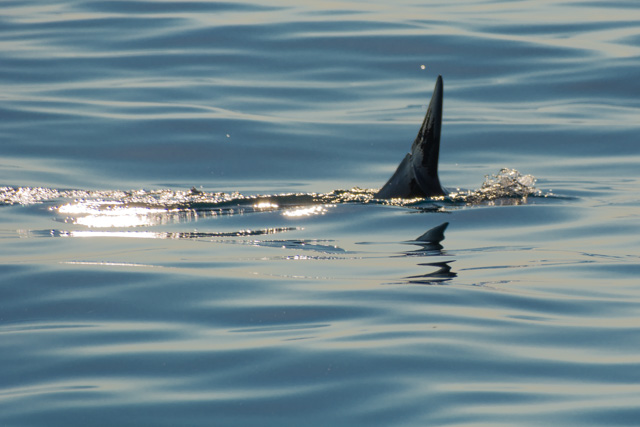
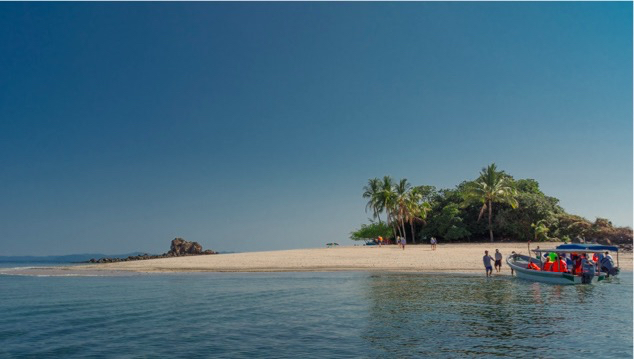
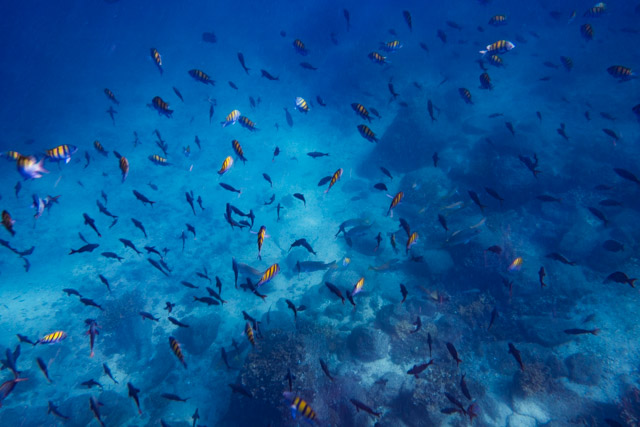
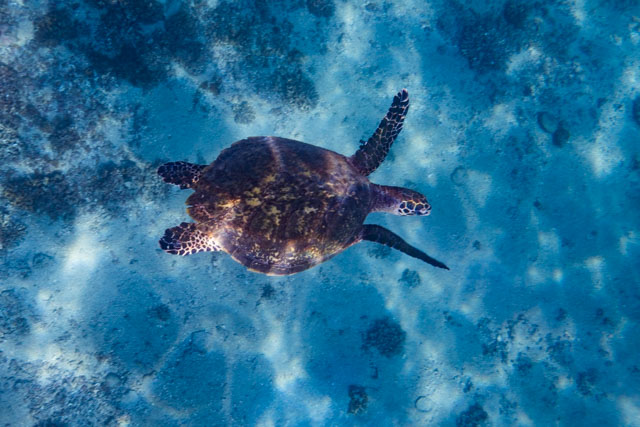
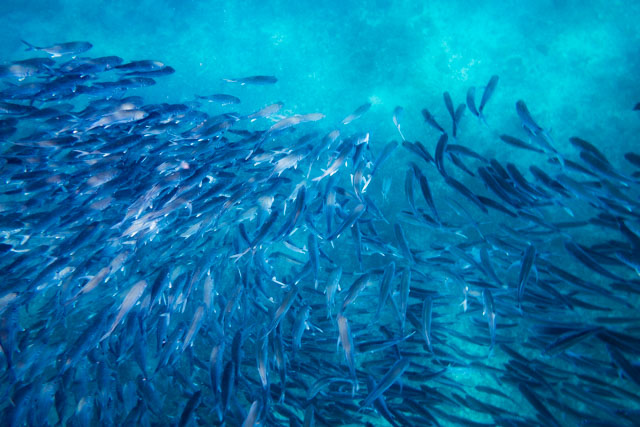
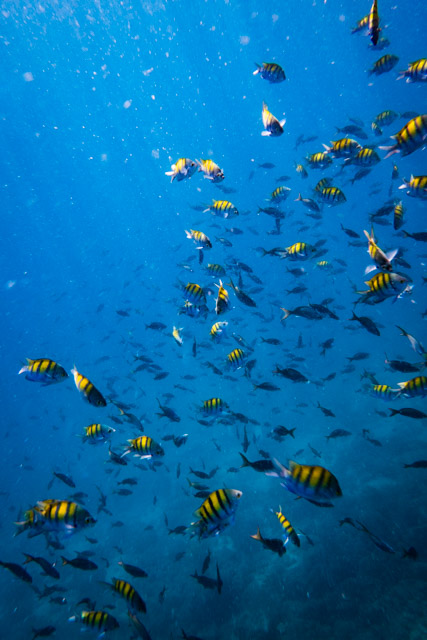
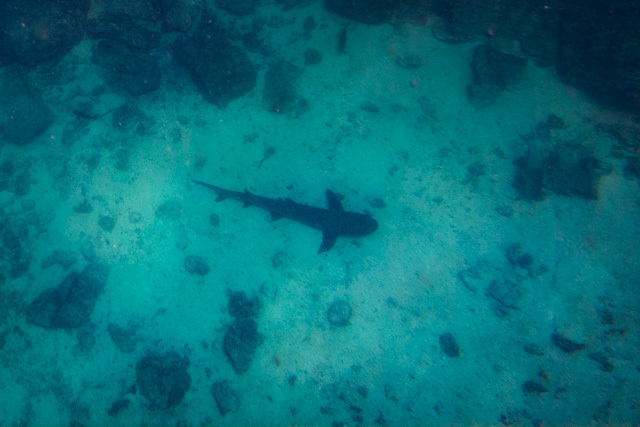
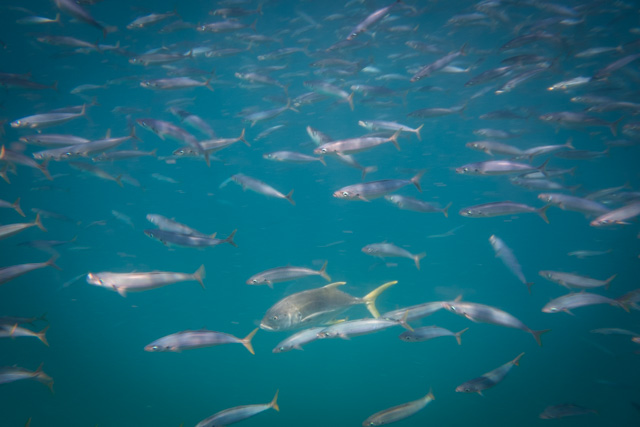
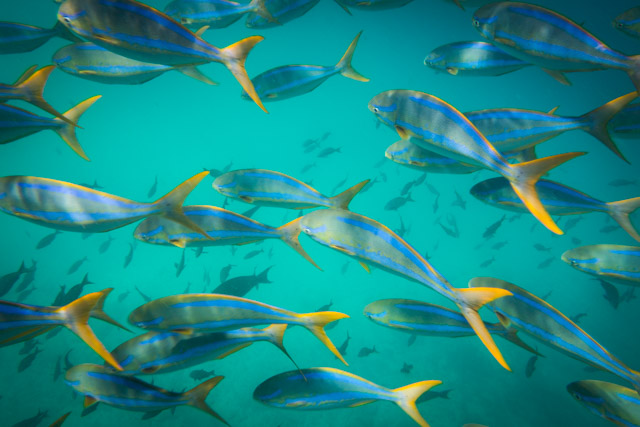
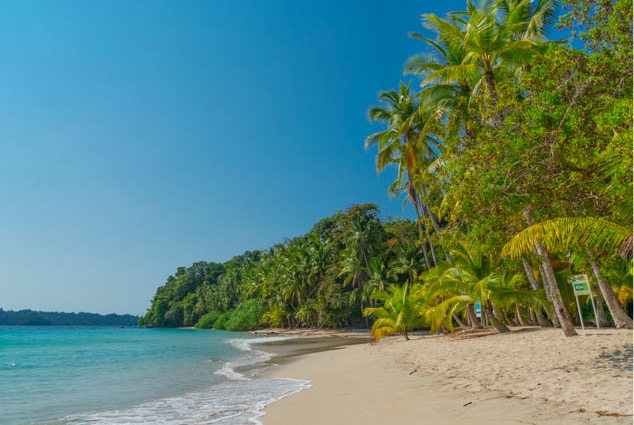
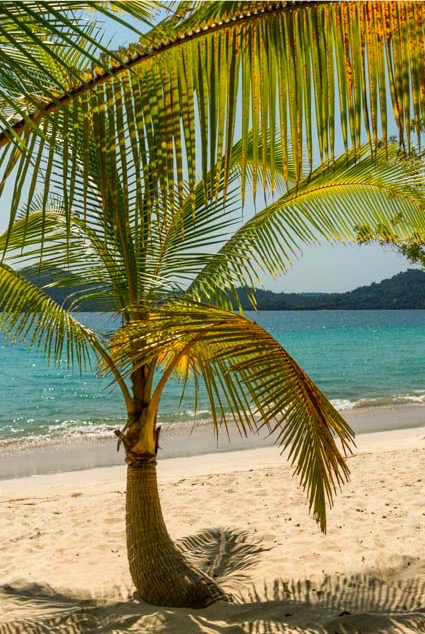
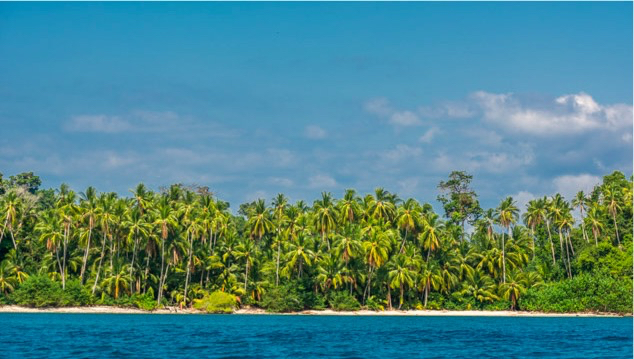
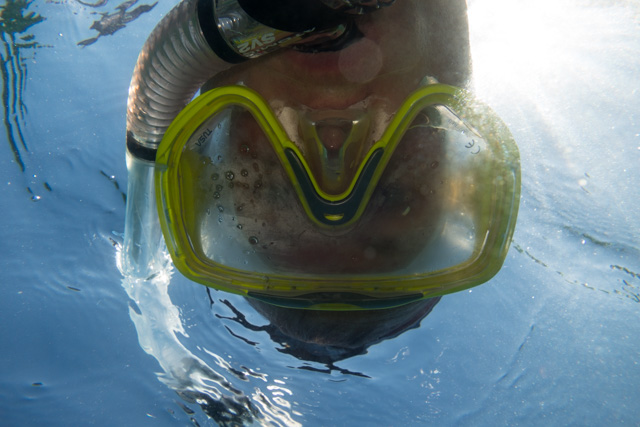
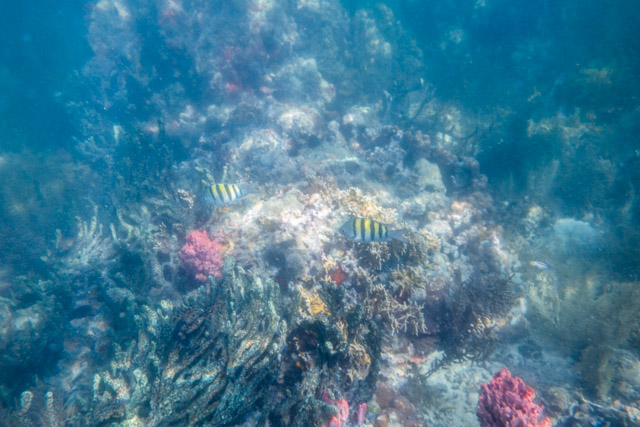
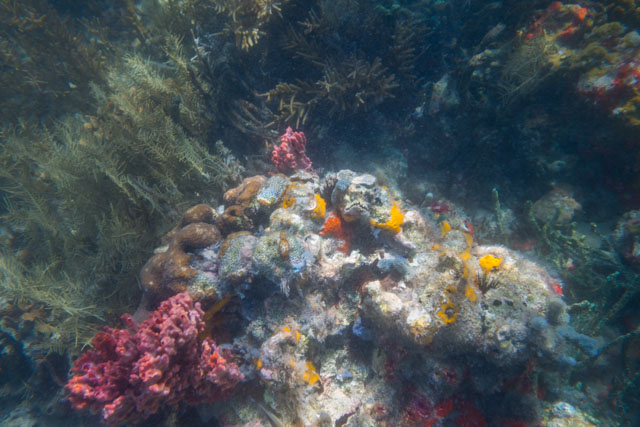
After watching a pod of dolphins pass by, we continued to Isla Granito de Oro. The island is idyllic – white sand, palm trees. But we didn’t go ashore. We put our snorkelling gear on – including fins which is a first for me – and we proceeded to swim around the island. Incredible. Such a variety of marine life – we saw turtles, a huge school of fish, cornet fish, reef sharks, spotted eagle ray, blue sting ray, moorish idol, freckled porcupine fish, sea urchins and much much more. And so close to us. This was the first proper snorkelling I’ve ever done, and I only manages it because Mike held my hand most of the time. This gave me the confidence to have a good look around, putting my head just a little deeper into the water.

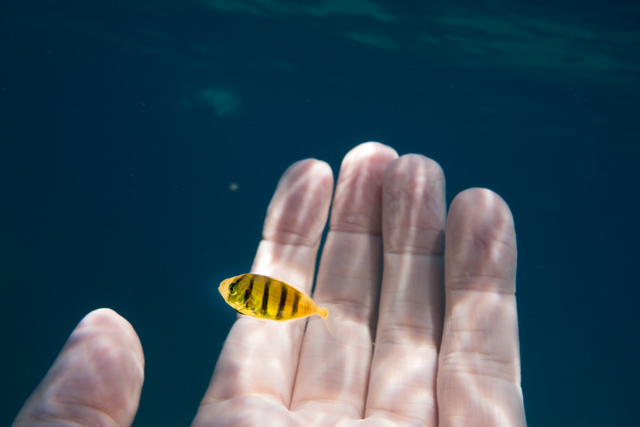
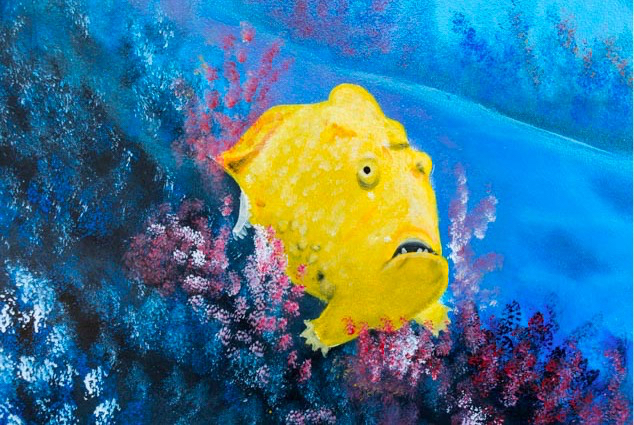
Our second stop is Islas Cocos. Again Mike held my hand, the variety of fish was incredible. A tiny yellow fish started to follow Andy around. It’s no bigger than 2 cms, and yet it seemed comfortable close to him. It’s quite funny.

We continued on to Coiba Island where we disembarked for lunch. The island used to be used as a prison until fairly recently. Now, it welcomes snorkelling groups. There’s a small educational centre (with some weird exhibits) and a few trails – we hiked the shortest one to the viewpoint, which looked out over the islands we visited in the morning.

I decided to sit out the next snorkel. It’s a short one but clearly my morning’s adventures had taken their toll. I felt nicely tired, that nice feeling you have when you’re gently aching. I think I’ll sleep well tonight.

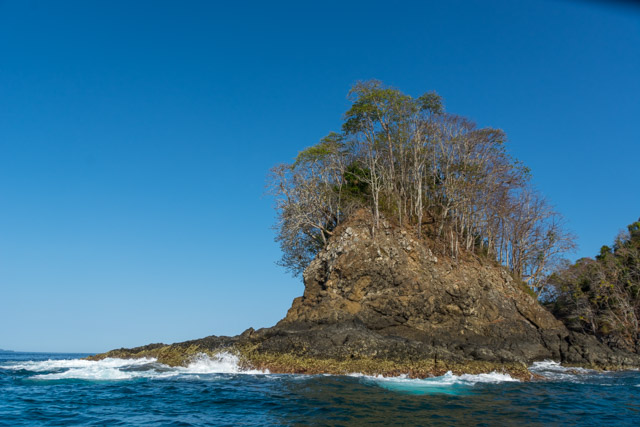
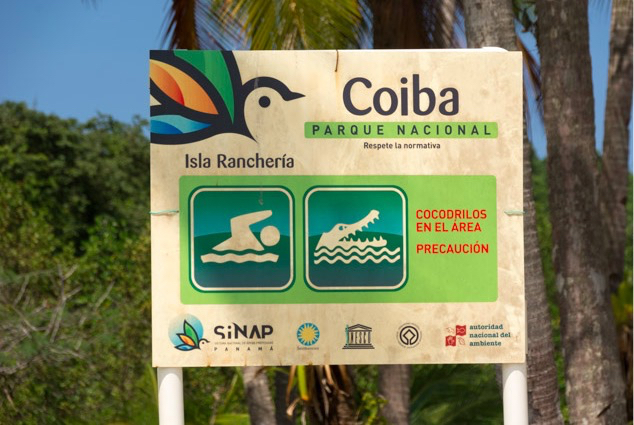
Our final stop is Isla Ranchería. There were a few boats there already, but we moored away from them. We took a little stroll – enough to see the crocodile trail to and from the sea. We’d seen the sign, and were told to avoid the fresh water river. We splashed in the water for a bit, reflecting on what an excellent leg the San Jose to Panama City was. Totally unexpected.

On the way back, we saw more dolphins in the distance.

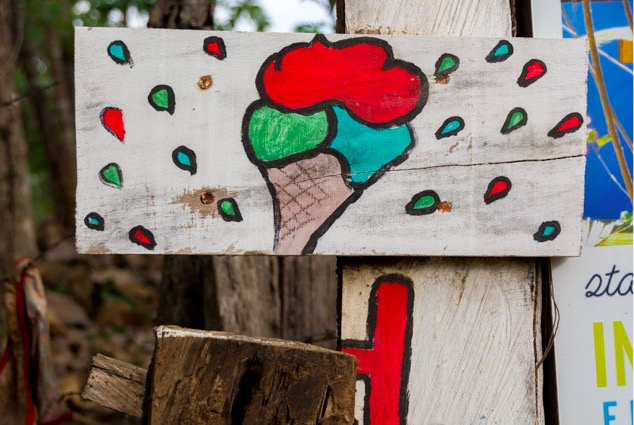
We dropped our stuff in our room, and set off to find La Mencheria – where according to Lonely Planet we’d find the best ice cream in the whole of Panama. Andy and I both had scoops of passion fruit and nutella. Delicious!

We’re currently sitting in the hammock outside our room. There is a cold bottle of Panama Lager near us, the little kitten is asleep nearby. There is the smallest of breezes. I just chatted to Andy, and he agrees… this was the most excellent of days.

If Bocas del Toro was paradise, what does it make this place? Heaven?

“Don’t go too far to the left, that’s where the crocodiles are”

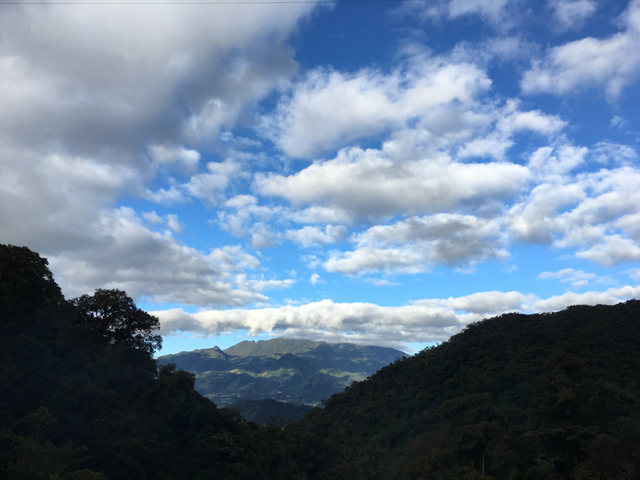
So sad to be leaving our hotel in Boquete this morning. We loved it and would have given anything to have a few more days there, watching the clouds pass over the mountains, the light changing constantly and our feathery friends.

A little downbeat, we boarded our private transport, which was spacious and luxurious. So already things were looking up. And then we noticed our driver’s nephew’s t-shirt: ‘Save a cow, Eat a vegetarian’.

An hour into our journey, we stopped at Rey supermarket in David and did a mini supermarket sweep. We had 35 mins to get breakfast for the next two days, and we picked up a few treats too. We didn’t do too badly considering it’s always tricky to navigate a supermarket you’re unfamiliar with.

Back on the road, we hit the PanAmerican Highway. Progress was slow as traffic was reduced to two lanes for all vehicles; the other two lanes were being upgraded or maintained.

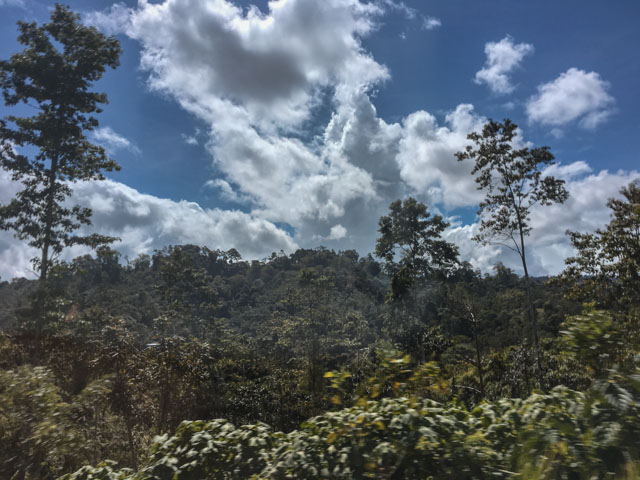
At some point, we turned left. The smaller road was in good condition. It was also deserted. The landscape’s definitely more rural. Grazing fields. People travelling by horseback.

None of the grandeur of Boquete; the houses are modest and made of bare bricks (some brightly painted, others not) and metal roofs. A horse stood waiting at a bus stop.

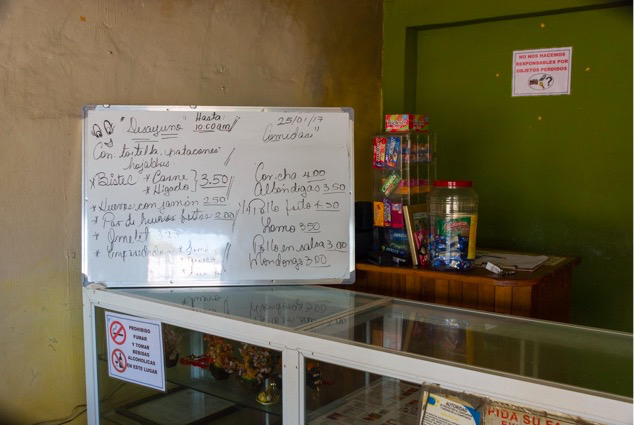
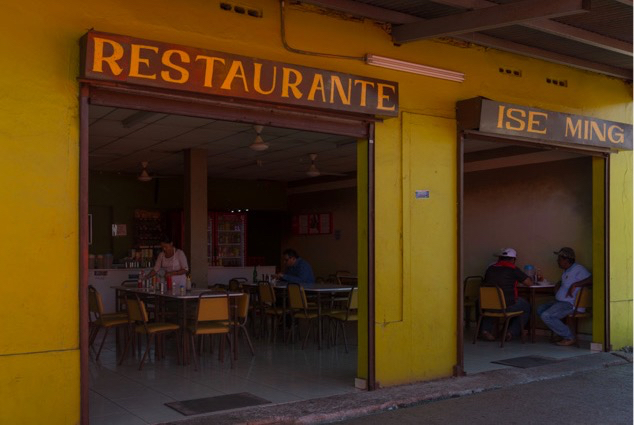
We stopped in Soná for lunch. Brian (we found out recently that the correct spelling of his name is Brayan) suggested Ise Ming, a local restaurant. The menu changes daily; there wasn’t much for us today so I ordered a fried egg sandwich; Andy a cheese one. Both were tasty, and excellent value – we paid $4.60 for both sandwiches and one drink. The currency in Panama is the Balboa but everything is priced in dollars (one Balboa is one dollar). Every now and then we get a few Balboa coins as change. Having placed my order, I walked down the main street for a bit and noticed that all the bars have a metal fence in front of the doorway. How very wild west!

Back on the road, the landscape’s more parched. The road twisted and turned. Slowly, we made our way down to the coast. We passed the small community of Farfán – there was no sign of life. Deserted. Everyone’s probably keeping out of the sun.

We arrived in Santa Catalina around 3pm. This is a small fishing village famed for its surfing. We’re staying in a hostel type place, but we have our own private room. Rooms don’t have numbers here, they have colours. We’re allocated the pink room (!!!) but it comes with an en-suite so I don’t complain too much. It also has two double and four single beds.

We put our swimming gear on and walked ten minutes down to the beach. First, we needed to cross a small river – we’re told to watch out for the tide (so we didn’t get cut off) and the crocodiles on the left.

The sand was so hot, we hopped to the sea (yes, we really did). When we got there, it was glorious. The beach’s curved and it wouldn’t look out of place in an advert. It’s stunning. We played and splashed about for a while. A lot of fun.

On the way back, we stopped at the hostel for a couple of beers and made it back to the coast five minutes from the hostel in the opposite direction to the beach in time for sunset.

Tonight, Brayan organised a barbecue for us all. We chipped in – cooking and washing up. Good fun. But we didn’t stay up too late as we have a fairly early start tomorrow morning.

Two Little Yellow Ones

Start the day with the free ‘continental’ breakfast; the only thing we don’t really like about this hotel. Bit of exercise this morning, we walked to the top of the hill behind the hotel. It’s about 45 minutes walk but steeply up the hill all the way. We did it early so it wasn’t too hot.

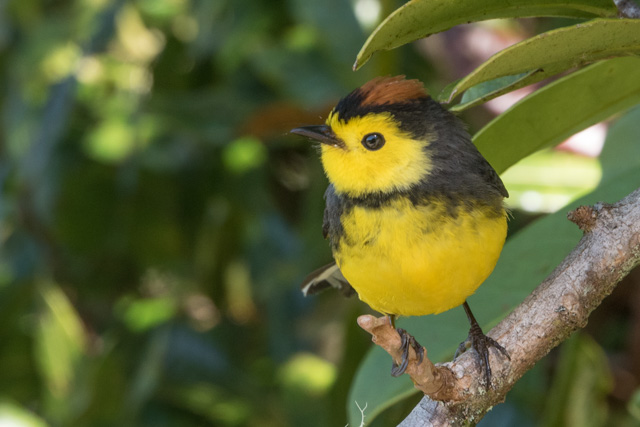
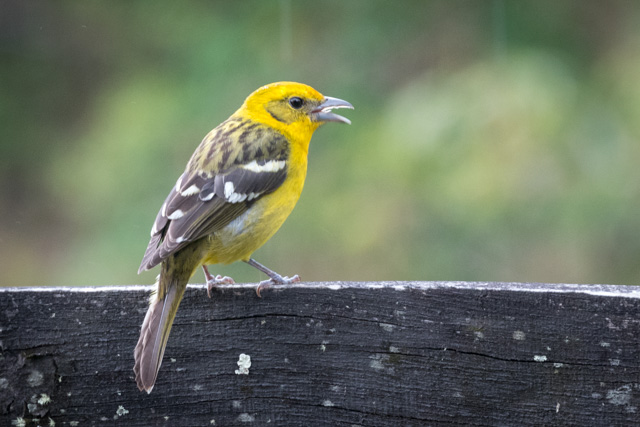
The climb starts in the shade with tall trees and plants either side of the path. After about half way, it opens out more and we get a view down the valley. Most of the way up there’s a viewpoint above a coffee plantation. We can’t get right to the top of the hill but when the path runs out there’s a spectacular view down the valley and up to the highest montain in Panama, Volacan Baru (3475m), beyond. It’s easier going down but still a bit hard on the knees because of the gradient. We were kept company for part of the walk down by two little yellow birds. They fluttered around very quickly – apparently taking the least direct route between one branch and the next.

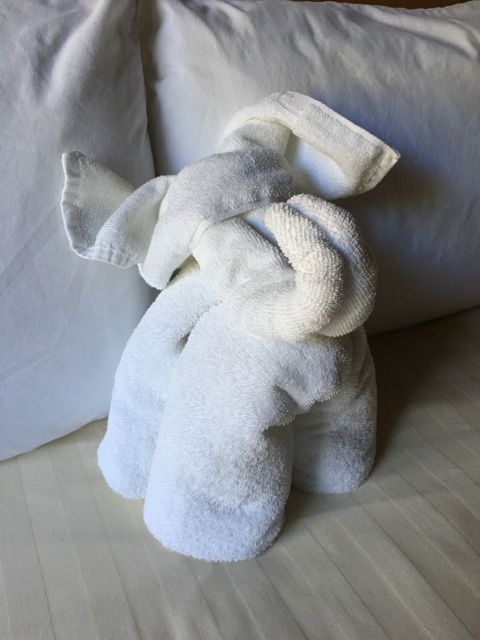
While we were out our rooms were tidied, the maid is very good at towel animals – today Florence had an elephant.

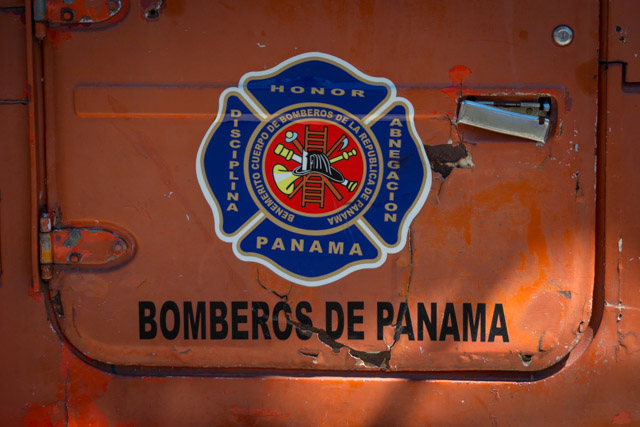
The hotel is 8km up hill from Boquete. We only saw the town briefly when we arrived so we took the hotel shuttle down for a few hours at lunchtime. There isn’t much to see. The railway station hasn’t seen a train in over 20 years. The fire station has a few old engines outside. We had lunch at Fish Tacos – tasty vegetable tacos. Not much else to do until the shuttle back at 3:00 so we tried the local craft beer – not bad, mine was a Hammock Time – it certainly had that effect on me. The local indigenous people are part of the Ngobe Bugle culture, the women still wear their brightly coloured traditional dresses.

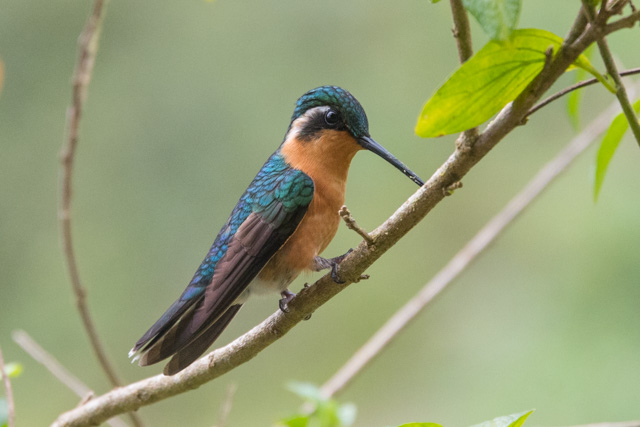
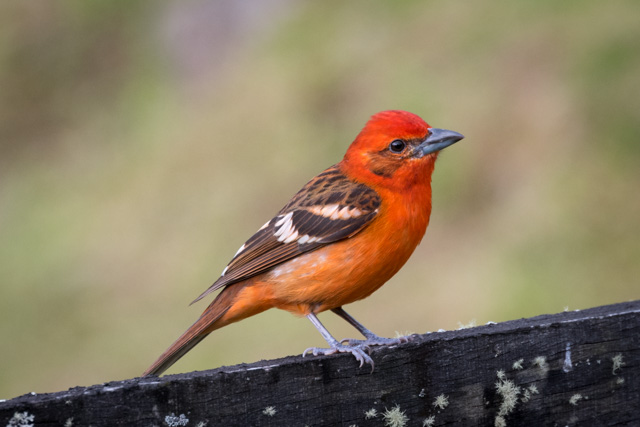
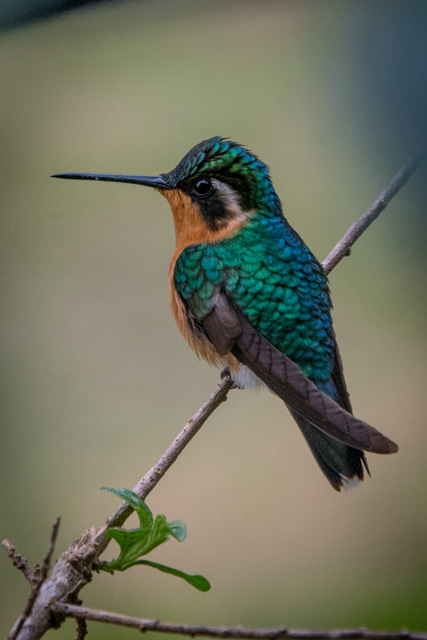
Back in the hotel, the birds seem to know we’re leaving tomorrow and put on a good show while we’re writing diaries. The bright red and yellow ones from yesterday were next to each other right in front of us, our resident hummingbird was never far away either.

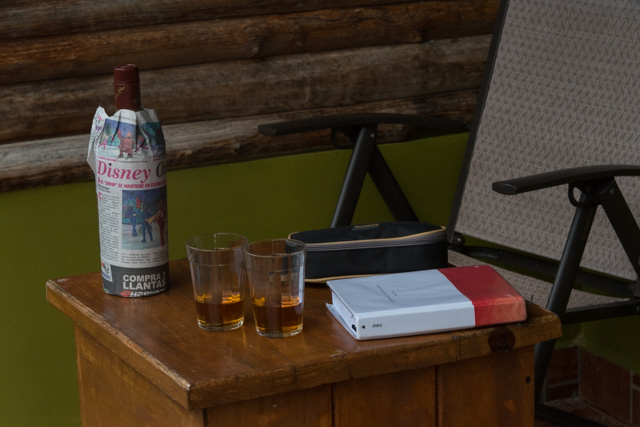
6pm was rum time on our patio – ’The Hummingbird Lounge’ – team get together to compare and contrast Panamanian dark and light rum and a Nicaraguan one too.

Officially stupid

Breakfast with a view. Fresh fruit, toast and marmalade; it’s included so quite basic but still tasty.

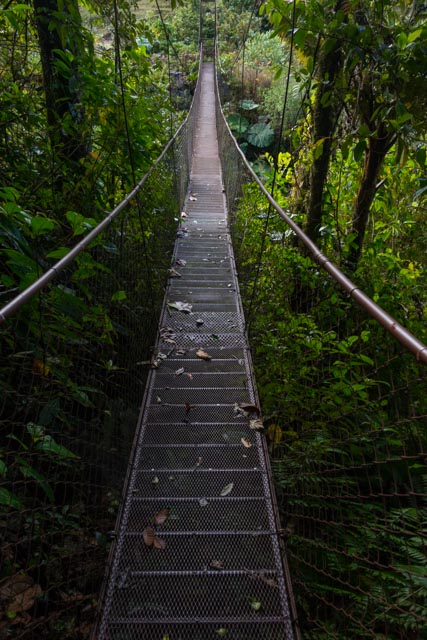
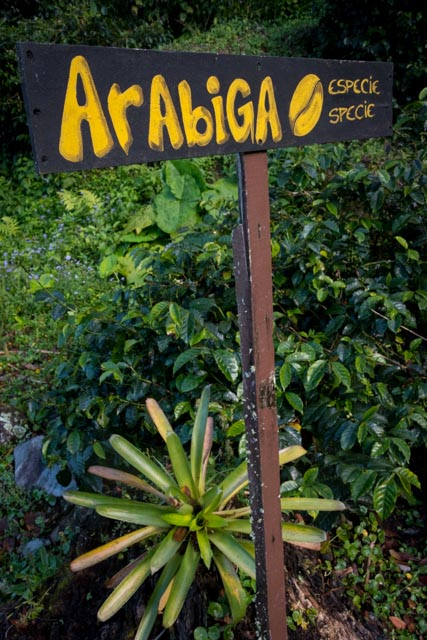
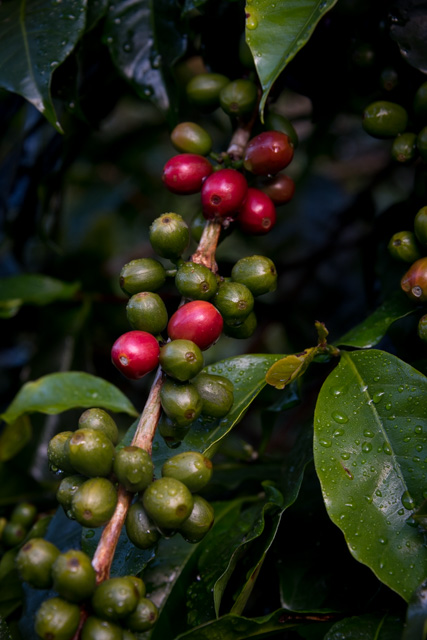
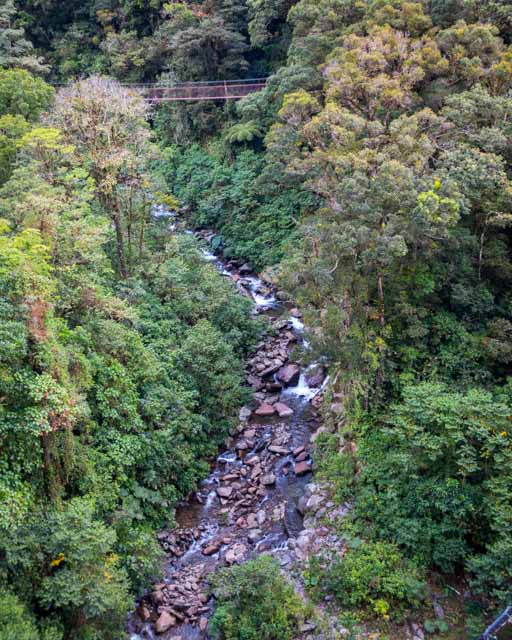
At 8:30am, we picked up our guide Octavio who took us over a hanging bridge to the hotel’s coffee plantations. The plantation is unlike any other we’ve ever seen. There are no rows of coffee plants here, it seems that they grow haphazardly, few and far between. We learned about pollination, how one coffee plant differs from another and how the soil and weather conditions also make a difference. Next, we tasted seven coffees from the farm; one by one starting from the light roast going up in strengths, two speciality ones and a blend. We smelled it three ways: dry straight from the grinder; brewed with the foam on top and then remove the foam and taste the coffee. At the first slurps, we got bitterness but trying them a second and third time, we were able to get a few more flavours – blueberry and honey for example. Interesting fact: the light roast contains the most caffeine, as roasting removes it.

I was lucky enough to get a glimpse of a male quetzal as it flew into the forest.

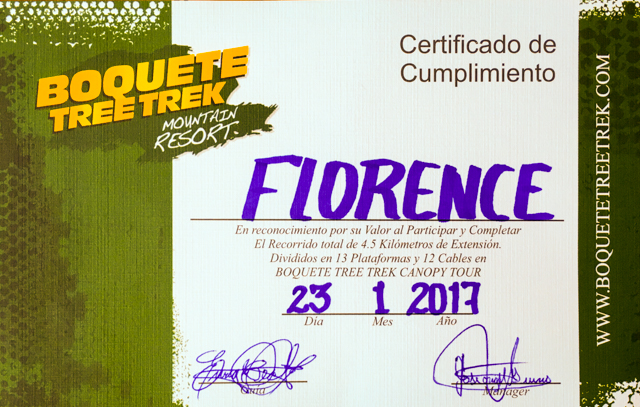
High on caffeine, we decided to have an early lunch as I had stupidly put my name down to go zip-lining at 1:30pm. The idea behind this was that doing it once proved that I could conquer my fears; twice meant that I was cool with it. Bah.

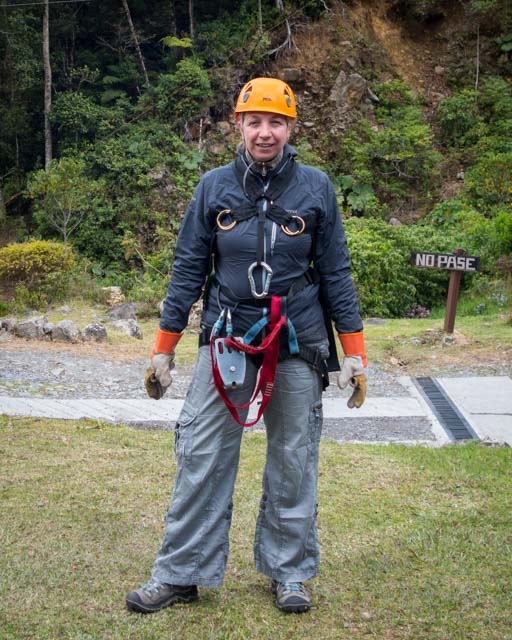
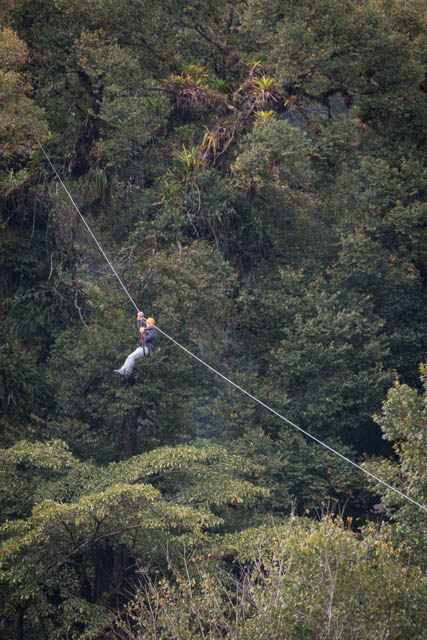
Gear on, safety and instruction talks out of the way, we boarded the bus to the top of the hill. The first zip-line was fine. I didn’t get on with the second one at all, and that freaked me out a little as there are a total of twelve lines to go through. But after a quick pep talk to myself, I got back on track and even started to have fun. The two longest lines are 500 meters each, and flew right over the hotel’s restaurant where Andy was positioned as ‘official’ photographer.

Back in the restaurant, I ordered a treat – passion fruit mousse. And incredibly, two male and one female quetzals flew past.

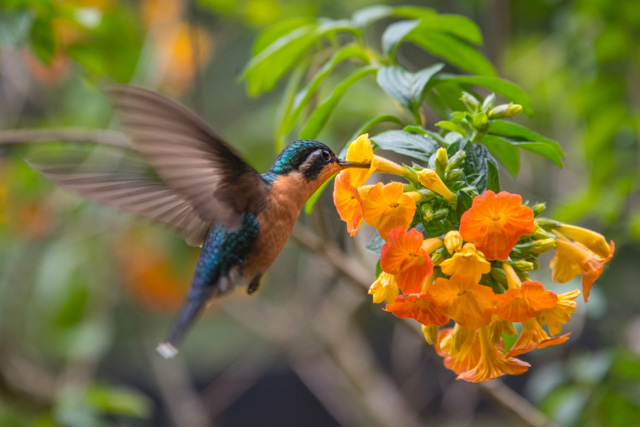
Sitting on our patio, we aimed to write our diaries but realised the futility of our task when the hummingbird came back to feed on the flowers near us. Up in a tree, we spotted a medium sized red bird – so bright. And then, he came and stood on a fence right next to us. And then further into the forest, one of the male quetzals. Too far to take any decent shots but clear enough that we could see the blue feathers at the back and the tail.

We went for a little wander around the hotel, trying to catch the last of the light, and then back to our patio – diaries and rum. Some of our travelling companions joined us. We may just have started something here.

A hummingbird… and a lot of rum

Andy started the day with a lie in. I read for a bit and then, quiet as a mouse, I got dressed and made my way to the door to go and get breakfast. My food thoughts were so strong that Andy woke up there and then; something that a small plane flying just metres over our room thirty minutes before had failed to do.

I’ll admit it; I made Andy come on a walk around town (I know for certain that we won’t come back to Bocas del Toro, and I was keen to make the most of it) . Ideally, I had planned to spend a couple of hours exploring the back streets, but in the end we only had forty minutes or so. The heat was stunning; no breeze whatsoever, and it was only mid-morning.

Back in our room, we showered and packed. And again, I made Andy put some after-sun cream on.

A short walk to the pier. We boarded our water taxi and headed back to mainland Panama.

In Puerto de Almirante, they mostly ship Chiquita bananas. As we passed the port, we saw a ship full of Chiquita containers leaving.

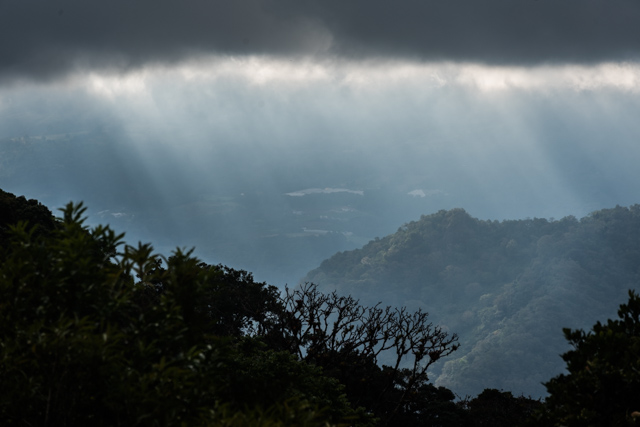
We spent the next four hours climbing up, with deep valleys on each side. Slightly overcast (which made for great dramatic views with the sun spot-lighting parts of valleys. We passed various dams. And still, we carried on climbing. We followed a small truck overloaded with plantains.

In a surreal moment, I found myself watching The Great British Bake Off Christmas special which I managed to download on the iPlayer (thank you VPN) whilst the temperature outside is out of control – I had to keep my arms to myself, the window in the bus was like a furnace.

We’re going to be in Boquete for three nights, and have been promised a very nice hotel, so nice in fact that we may well end up spending all our time there. Spending three nights in the same room also means that we can go over the contents our bags, mend a few things, watch a film perhaps… and definitely have some laundry done.

Boquete is famous for its many coffee fincas (farms), and it’s also renowned for having a big expat community from the States (many American citizens elect to retire here and one of the benefits of that is that food standards are high).

We pass many upmarket houses on the outskirts of town. The traffic is horrendous; today is the last day of a festival and the town is heaving. Our hotel is thirty minutes away from the town, higher up. We checked into our room, and already we’re in love with the place. Amazing room – a chalet type thing. We sat outside, the weather turned. I got a fleece blanket from the room and curled up.  A hummingbird – so tame we got really close – fed on nectar outside our room. We opened our duty free bottles of rum, wrote our diaries. The weather came in – clouds and rain (we’re so high up we’re in the clouds). The party came to our patio.

Is this paradise? Andy thinks so. It’s beautiful yet a little on the chilly side for me.

Red-faced in Panama

Breakfast in the hotel this morning. It’s included but not very good – white bread, processed cheese and orange juice from a box.

We’ve been warned that Panamanians are notoriously bad time-keepers, so much so that our guide normally tells them an earlier time than we actually need. Our pick-up is due at 9:20, they arrive about 20 minutes late, we could have walked to the jetty in about five minutes.

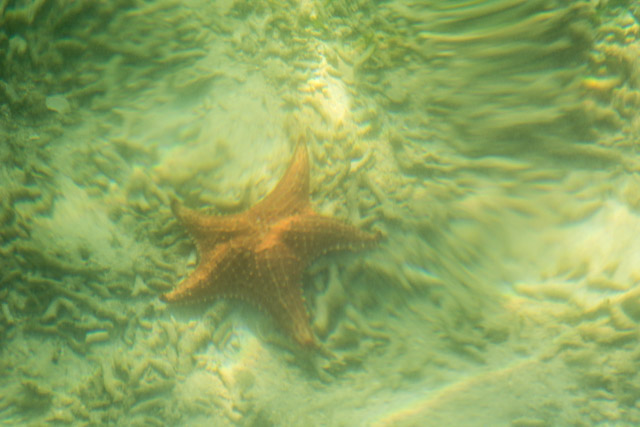
Today is a day on the water, in the water and under the water. We start by visiting a mangrove lagoon where dolphins are known to hang out. We do see a few but there are lots of boats there and it’s not a good experience for us and certainly not for the dolphins – although our captain is thankfully keeping a safe distance. There are lots of starfish in this area. We cruise slowly along the edge of the mangroves, the sea floor is covered with bright orange stars, some of them as big as 6 inches across.

After a brief stop to order lunch – or not – we head off for an hour and a half on the beach. We stop at a small island, there’s sand all along the edge with trees behind it. At the end of the island, the trees end and the sand carries on into the sea. There are a few other boats there but it’s not at all busy. The time passes quickly with a walk to end of the island, a swim and a chat.

Back to the restaurant for lunch. Most of us aren’t bothering and just have a drink. My pineapple juice comes from freshly juiced fruit – it’s lovely. Florence has a Mango Colado and expresses surprise that it has rum in it. Looks like we made a good choice, the food doesn’t look too appetising.
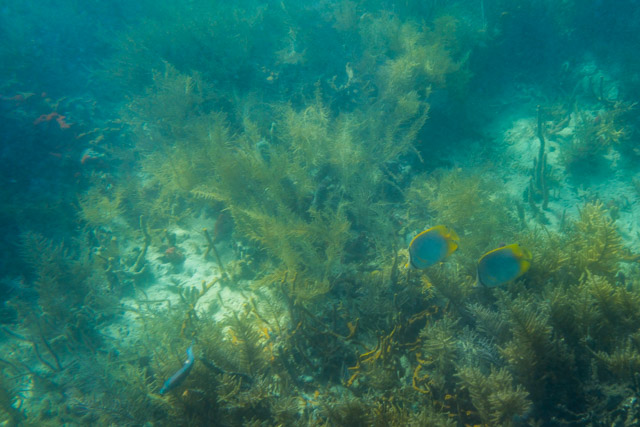
After lunch it’s time for a snorkel, there’s nothing like the variety we saw in Belize but there are a few interesting corals and fish to keep us occupied. Final stop is an island with some tall trees where some sloths live. We do see one but it’s quite high up and obviously asleep.

Back to town. We have a quick dip in the hotel pool to cool off. The sun has been strong all day and although we’d used quite a lot of suncream (factor 50), we both have some glowing red areas – particularly my face! Hopefully it will turn a shade of brown soon but I doubt it.

Out for the evening. We start with a cocktail at La Buena Vista – the good view – probably would be in the daytime but anyway it’s cooler by the water. The strong Margueritas go down well, with some black bean dip and tacos to help. Join the rest of the group for dinner, salad and beer for me. Florence has pasta and beer. Our group now has two Americans, one Kiwi, one Aussie and us. We spend dinner talking about how hard it is for Brian to cater for all flavours of English – if somebody asks for chips do they want deep-fried potatoes, crisps or tortillas? An English traveller before asked where she could find the ladies, the guide told her it was company policy not to offer this service – she had to explain the misunderstanding.

How I wish, how I wish you were here

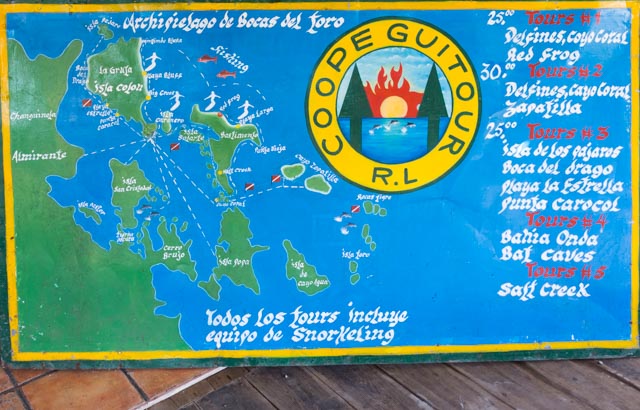
We’re on Isla Colon, Bocas del Toro, Panama.

On our way here today, we were told ‘you’re going to paradise today’.

We’ll let you be the judge of this.

The first thing we did this morning when we got up was to have a cold shower (argh!) and pack our bags.

We then went for another excellent breakfast at Bread and Chocolate.

Boarding our private transport to the border, I couldn’t help but regret the fact that we didn’t have an extra day here. We probably won’t come back to Puerto Viejo and yet, there is definitely an extra day to be spent here – the waves are that good!

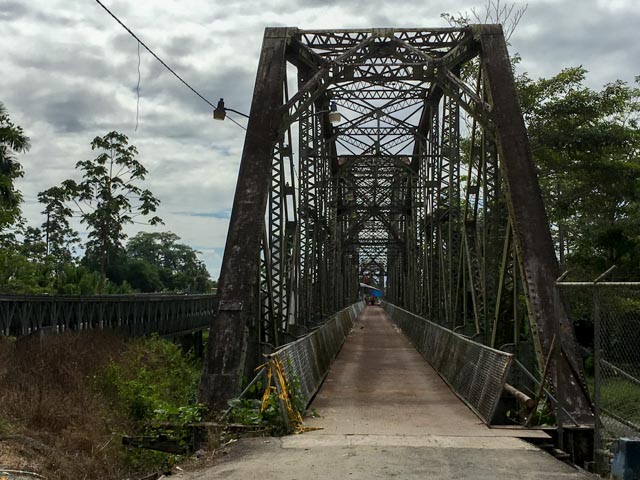
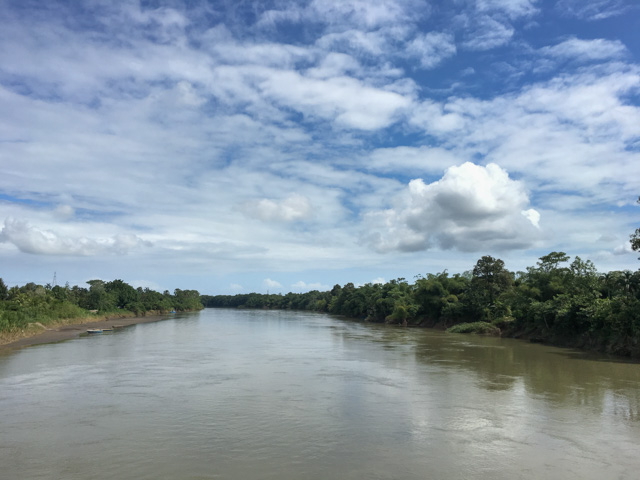
After approximately 45 mins, we got to the border. We queued for our exit stamp whilst Brian queued to pay our exit tax. We crossed the border by foot – a bridge over the river that is the physical border. How exciting?

On the other side, we queued to get into Panama. They take things seriously here with face and finger print scanners. Meanwhile, Brian queued to pay our entry tax. In the duty free, we bought rum from Panama, and white wine.

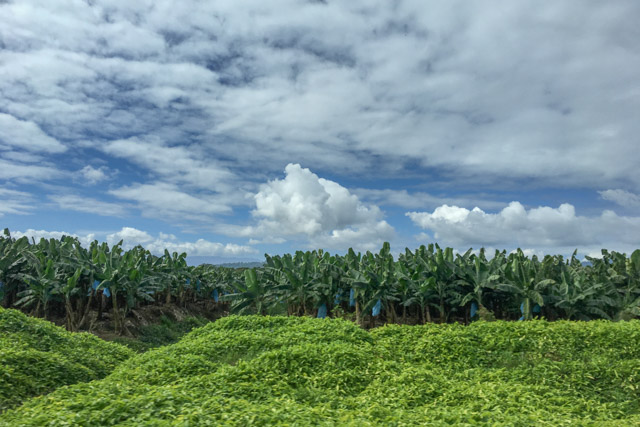
A short journey to a pier. Many banana plantations along the way. The landscape is more parched.

The boat journey was about 20 mins. It was so good to get a breeze.

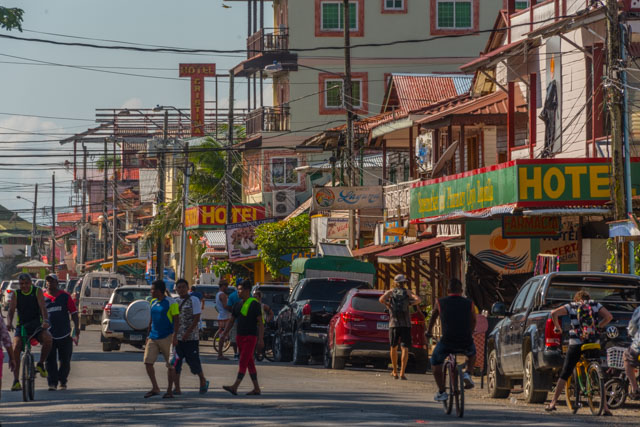
Upon landing, the humidity hit us. We checked into our room and then walked the main street to another pier.

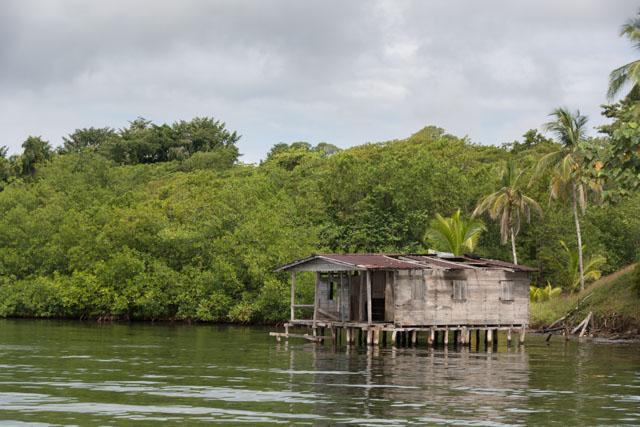
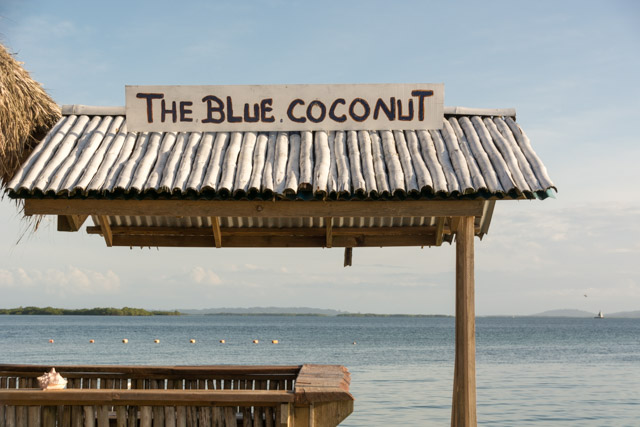
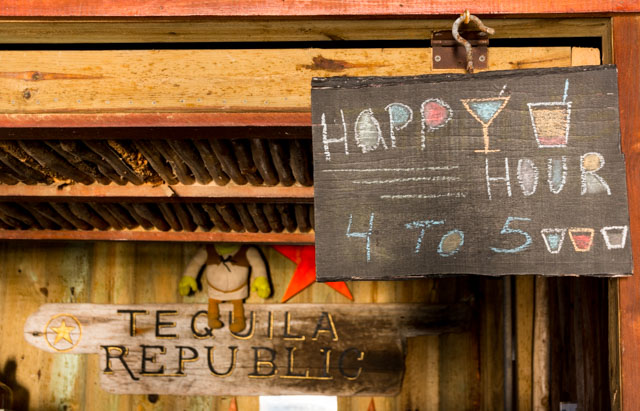
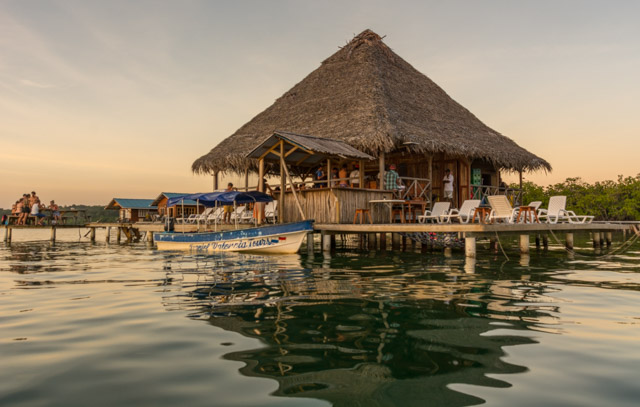
After fifteen minutes or so, we landed at The Blue Coconut. The island is predominantly mangrove. We got to the bar just in time for happy hour, and we had a voucher for a free beer. We swam – the water was just the right temperature. They have hammocks in the sea and free snorkelling gear you can borrow. We saw a sting ray, many starfish and pretty fish.

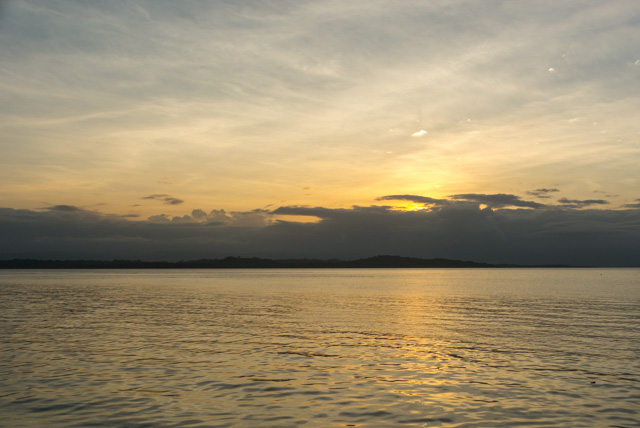
We ate, we drank, we swam. We reckon this is the first time so far that we’ve had a truly lazy afternoon. We watched the sunset and then hopped on the boat back to town.

We had a quick shower – oh my it’s so humid here – and hit the town. Andy bought himself a new t-shirt (a cool hippy one, oh yeah!). And then we went to Om Bar and Restaurant. We started with cocktails. I had a Maracuya Maravilla (passion fruit, rum and cane sugar fermented together for two weeks). And then we shared a curry. Because really there is only so much rice and beans you can eat. Yes, it was tasty. But you can’t really go wrong when you’re sitting above the water and there’s great live music. The band (from Argentina) played many many great songs. I may have got up to dance. We certainly sang from the top of our voices.

The couple at the table next to us are five months into a six months trip, and we shared a few stories and tips.

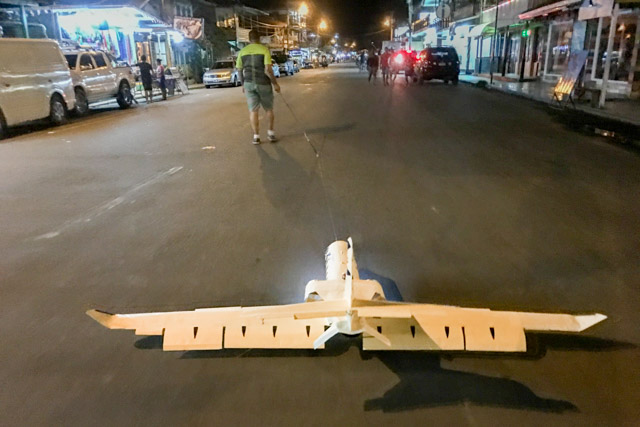
Our way back to the hotel took a bit longer than it should have. But then again, we were stuck behind a man taking his plane for a walk.

In other news today.