A hummingbird… and a lot of rum

Andy started the day with a lie in. I read for a bit and then, quiet as a mouse, I got dressed and made my way to the door to go and get breakfast. My food thoughts were so strong that Andy woke up there and then; something that a small plane flying just metres over our room thirty minutes before had failed to do.

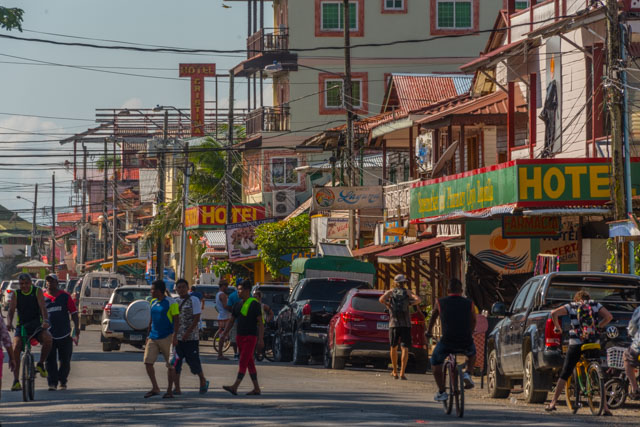
I’ll admit it; I made Andy come on a walk around town (I know for certain that we won’t come back to Bocas del Toro, and I was keen to make the most of it) . Ideally, I had planned to spend a couple of hours exploring the back streets, but in the end we only had forty minutes or so. The heat was stunning; no breeze whatsoever, and it was only mid-morning.

Back in our room, we showered and packed. And again, I made Andy put some after-sun cream on.

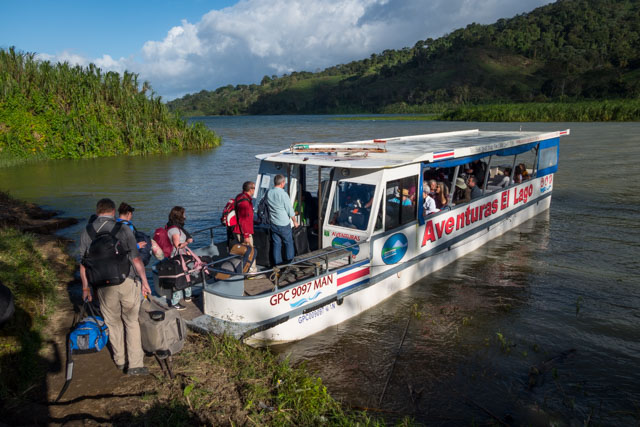
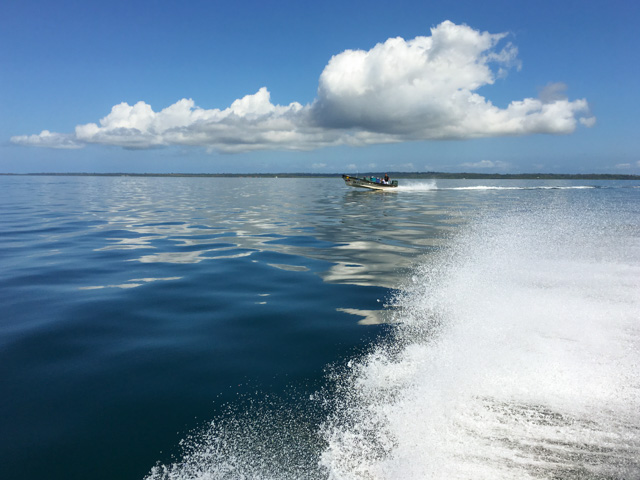
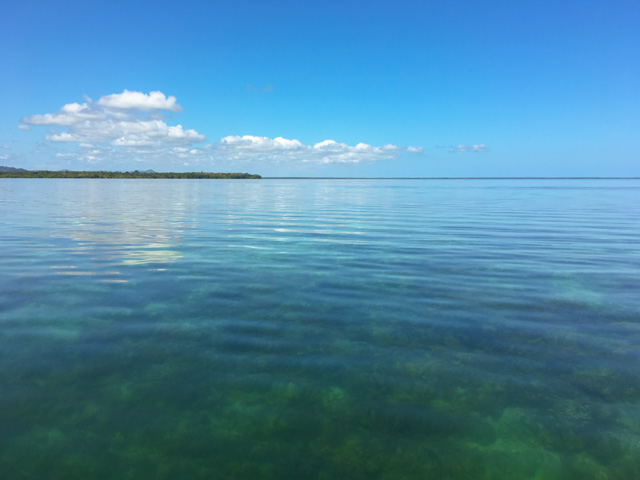
A short walk to the pier. We boarded our water taxi and headed back to mainland Panama.

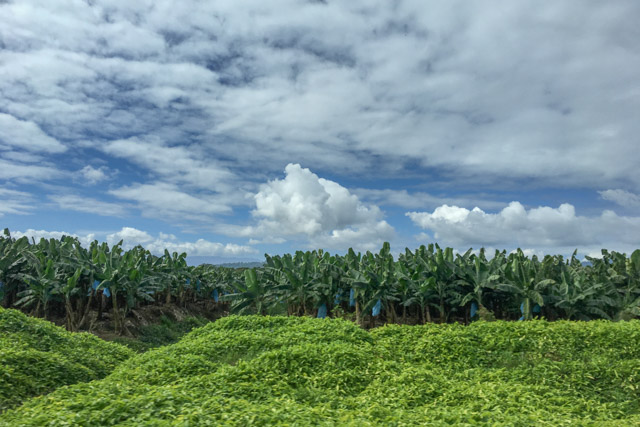
In Puerto de Almirante, they mostly ship Chiquita bananas. As we passed the port, we saw a ship full of Chiquita containers leaving.

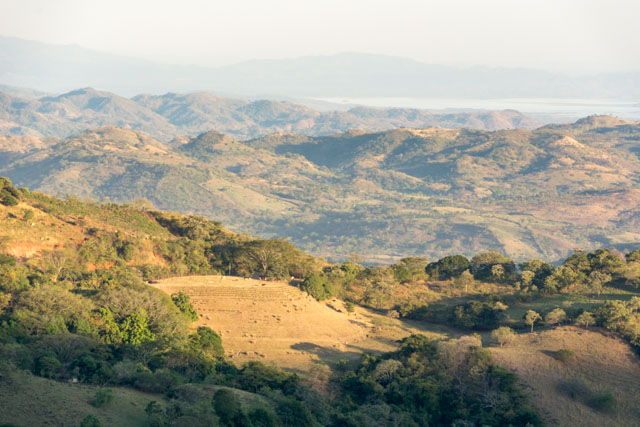
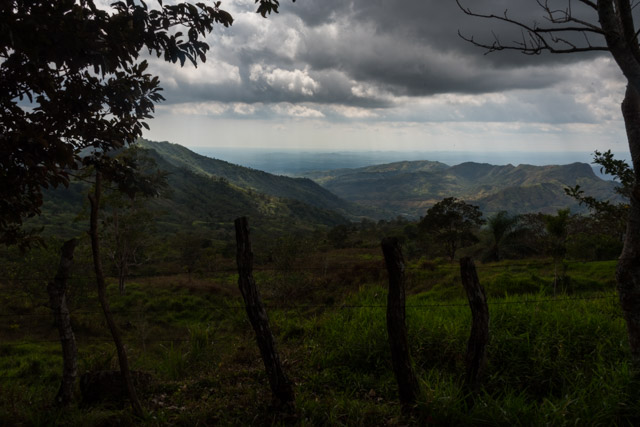
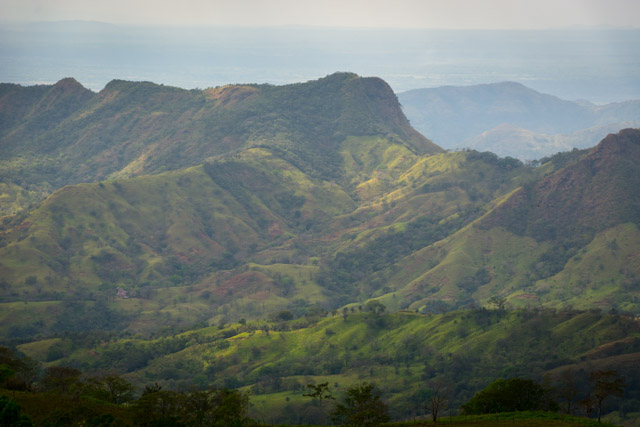
We spent the next four hours climbing up, with deep valleys on each side. Slightly overcast (which made for great dramatic views with the sun spot-lighting parts of valleys. We passed various dams. And still, we carried on climbing. We followed a small truck overloaded with plantains.

In a surreal moment, I found myself watching The Great British Bake Off Christmas special which I managed to download on the iPlayer (thank you VPN) whilst the temperature outside is out of control – I had to keep my arms to myself, the window in the bus was like a furnace.

We’re going to be in Boquete for three nights, and have been promised a very nice hotel, so nice in fact that we may well end up spending all our time there. Spending three nights in the same room also means that we can go over the contents our bags, mend a few things, watch a film perhaps… and definitely have some laundry done.

Boquete is famous for its many coffee fincas (farms), and it’s also renowned for having a big expat community from the States (many American citizens elect to retire here and one of the benefits of that is that food standards are high).

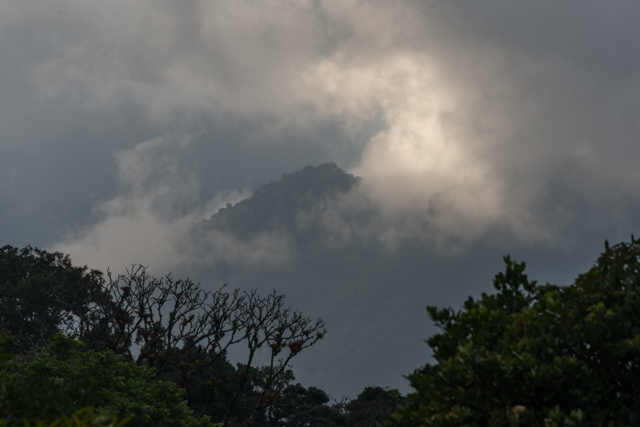
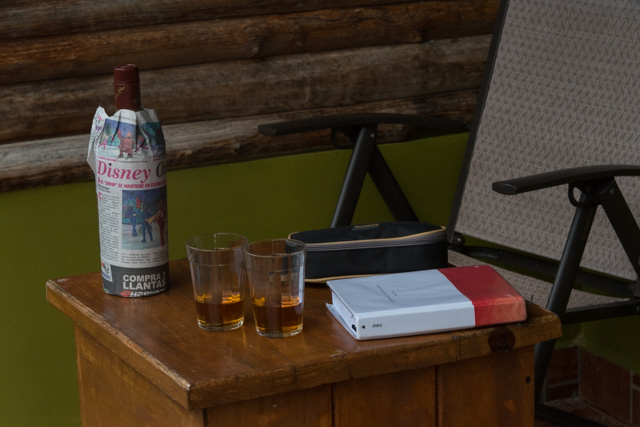
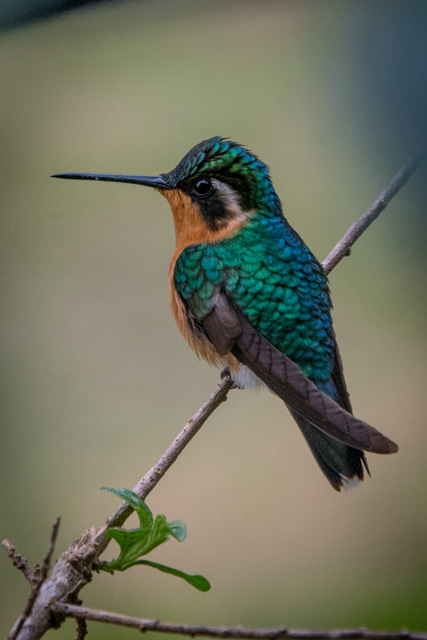
We pass many upmarket houses on the outskirts of town. The traffic is horrendous; today is the last day of a festival and the town is heaving. Our hotel is thirty minutes away from the town, higher up. We checked into our room, and already we’re in love with the place. Amazing room – a chalet type thing. We sat outside, the weather turned. I got a fleece blanket from the room and curled up.  A hummingbird – so tame we got really close – fed on nectar outside our room. We opened our duty free bottles of rum, wrote our diaries. The weather came in – clouds and rain (we’re so high up we’re in the clouds). The party came to our patio.

Is this paradise? Andy thinks so. It’s beautiful yet a little on the chilly side for me.
How I wish, how I wish you were here

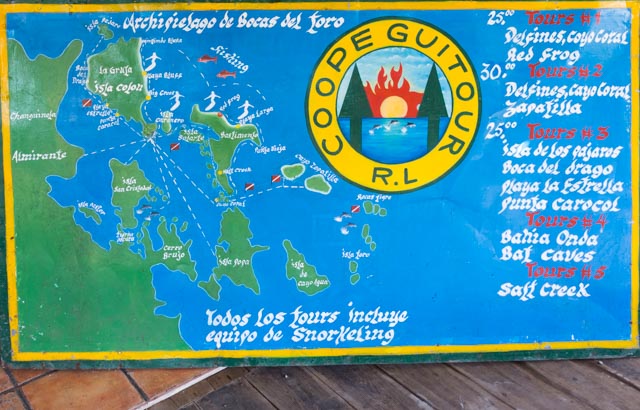
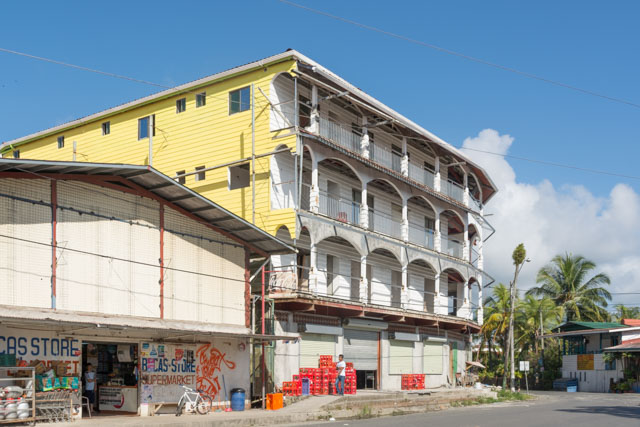
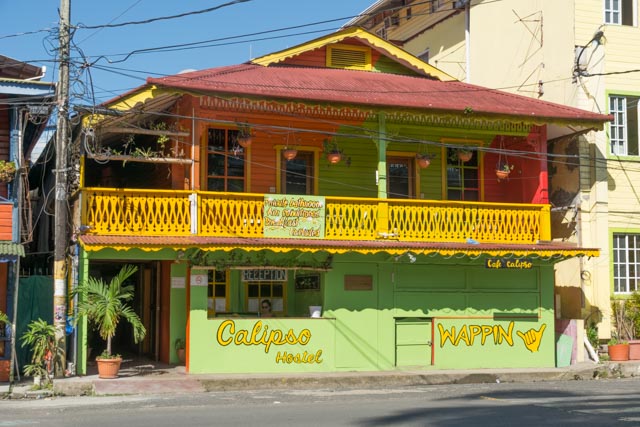
We’re on Isla Colon, Bocas del Toro, Panama.

On our way here today, we were told ‘you’re going to paradise today’.

We’ll let you be the judge of this.

The first thing we did this morning when we got up was to have a cold shower (argh!) and pack our bags.

We then went for another excellent breakfast at Bread and Chocolate.

Boarding our private transport to the border, I couldn’t help but regret the fact that we didn’t have an extra day here. We probably won’t come back to Puerto Viejo and yet, there is definitely an extra day to be spent here – the waves are that good!

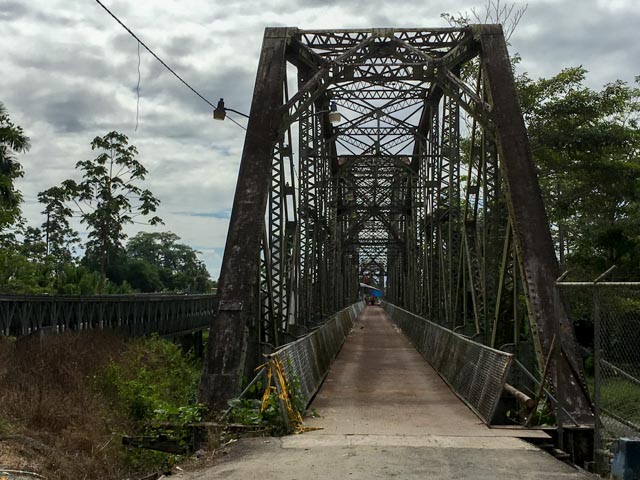
After approximately 45 mins, we got to the border. We queued for our exit stamp whilst Brian queued to pay our exit tax. We crossed the border by foot – a bridge over the river that is the physical border. How exciting?

On the other side, we queued to get into Panama. They take things seriously here with face and finger print scanners. Meanwhile, Brian queued to pay our entry tax. In the duty free, we bought rum from Panama, and white wine.

A short journey to a pier. Many banana plantations along the way. The landscape is more parched.

The boat journey was about 20 mins. It was so good to get a breeze.

Upon landing, the humidity hit us. We checked into our room and then walked the main street to another pier.

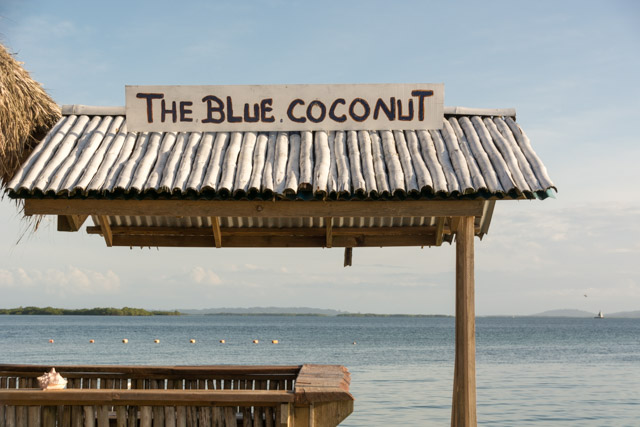
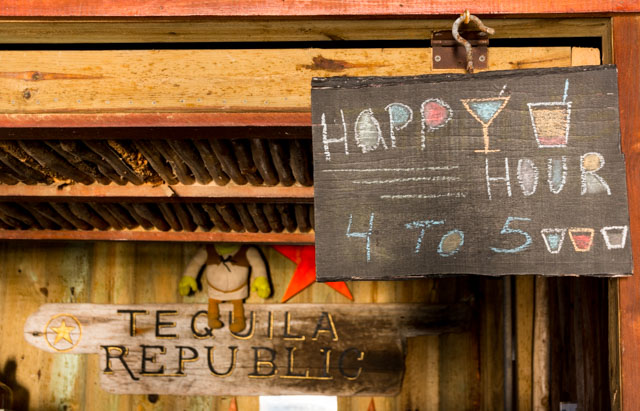
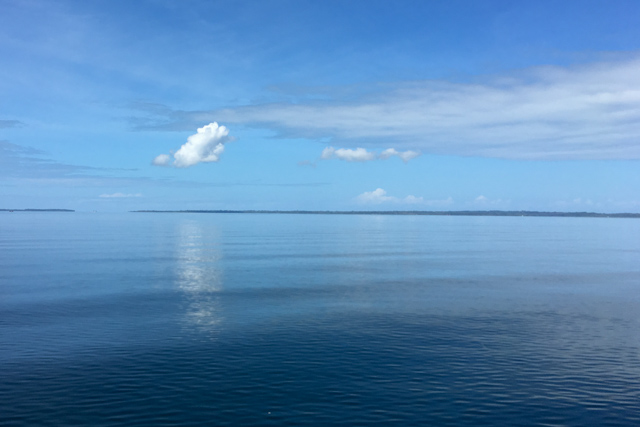
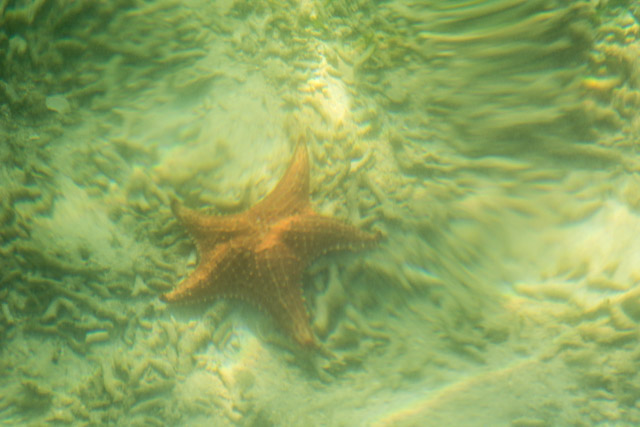
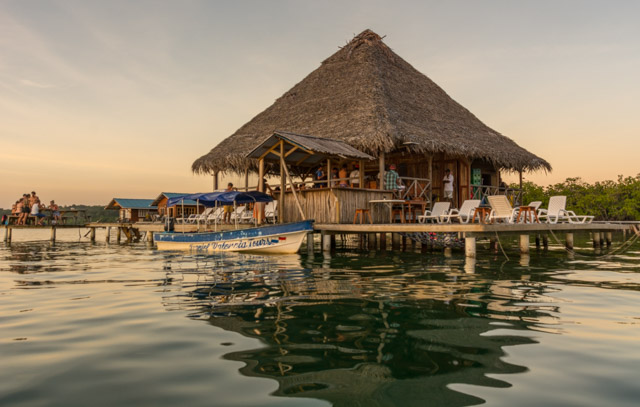
After fifteen minutes or so, we landed at The Blue Coconut. The island is predominantly mangrove. We got to the bar just in time for happy hour, and we had a voucher for a free beer. We swam – the water was just the right temperature. They have hammocks in the sea and free snorkelling gear you can borrow. We saw a sting ray, many starfish and pretty fish.

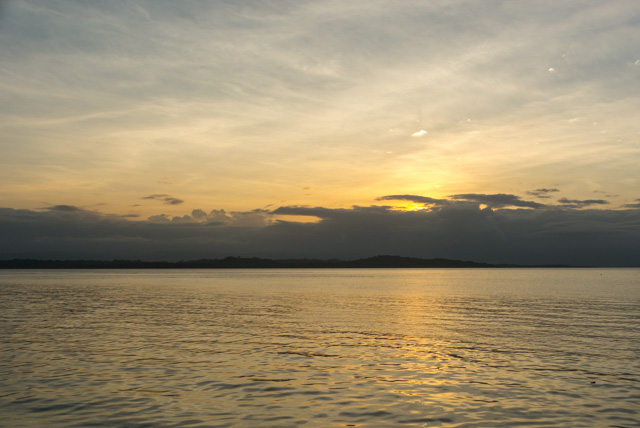
We ate, we drank, we swam. We reckon this is the first time so far that we’ve had a truly lazy afternoon. We watched the sunset and then hopped on the boat back to town.

We had a quick shower – oh my it’s so humid here – and hit the town. Andy bought himself a new t-shirt (a cool hippy one, oh yeah!). And then we went to Om Bar and Restaurant. We started with cocktails. I had a Maracuya Maravilla (passion fruit, rum and cane sugar fermented together for two weeks). And then we shared a curry. Because really there is only so much rice and beans you can eat. Yes, it was tasty. But you can’t really go wrong when you’re sitting above the water and there’s great live music. The band (from Argentina) played many many great songs. I may have got up to dance. We certainly sang from the top of our voices.

The couple at the table next to us are five months into a six months trip, and we shared a few stories and tips.

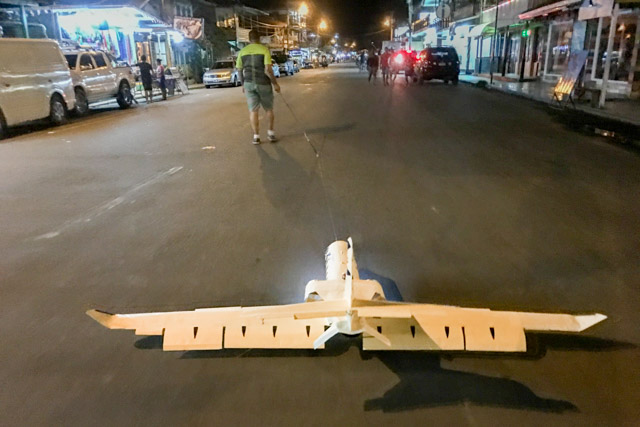
Our way back to the hotel took a bit longer than it should have. But then again, we were stuck behind a man taking his plane for a walk.

In other news today.

Guarde la calma

A rare thing happened this morning, we found out that breakfast was included in our hotel rate. We had fresh fruit, the desayuno típico and coffee.

As a parting gift, Dennis had arranged for a taxi to come and pick us up at 9am this morning to take us to the Poás volcano.

Fernando, our taxi driver, was punctual. The journey took just over one and a half hours, first through San Jose, and Alajuela and then a winding and scenic route through to the Poás Volcano National Park.

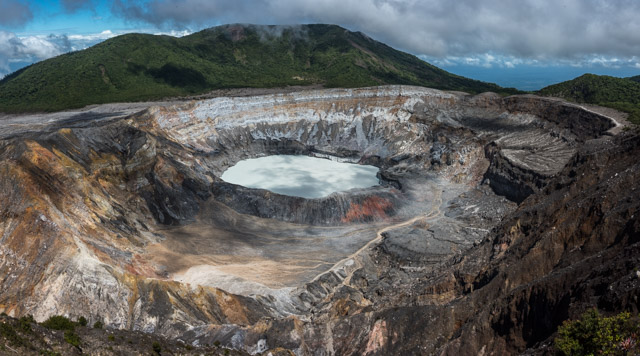
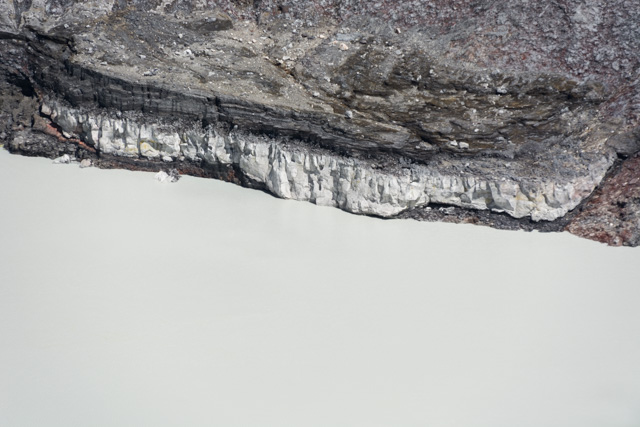
After a short walk (no more than fifteen minutes), we arrived at the viewing platform. The Poás volcano is active, and it is recommended that you don’t spend more than twenty minutes there due to the sulphur dioxide and other gases which escape from the crater. As there was little activity, we stayed just over an hour. The crater is stunning; at almost 1.6 km across it’s also the largest active crater in the world. The more you looked, the more there was to see. The colour of the water, the rocks, the smoke and steam rising from fumaroles. Truly spectacular.

Another trail through the forest led us to the Botos Lake. The now extinct crater is filled with rain water and due to its volcanic origin, it still contains traces of acidity which means that few micro-organisms live in it.

We did see a couple of Poás squirrels – a species endemic to the National Park.

The best time to visit the volcano is in the morning, before the clouds roll in. And as we made our way back from the Botos Lake to our taxi, we saw that the Poás crater was now pure clouds.

On our way back to San Jose, we stopped at a coffee plantation. The café overlooked the coffee plantations; it was a beautiful view and a very peaceful place, surrounded by colourful flowers and green hills. And the coffee was excellent.

San Jose has an odd feel to it. It certainly is a big city by Costa Rican standards, but there isn’t a lot to do or see. Having done the main tourist sites yesterday, we decided to focus on the more local places today… after the obligatory daily visit to the cash point. We have this funny thing going on:

  • Costa Rica is expensive so whenever you get money out, it goes (we seem to be spending colones like there’s no tomorrow)
  • You can only withdraw a certain amount daily (this is never enough)
  • You can’t withdraw more than a certain amount each week

We started with the Museo de Arte y Diseño Contemporáneo (MADC). It is a small museum, and ever smaller currently as they are refurbishing the main gallery. The temporary exhibition was excellent however. Simón Vega’s art explores the relationship between Central America, the U.S.A. and the U.S.S.R during the cold war in a playful and parodic way.

By chance, we stumbled across a colourful doorway I had seen on the internet, and which I’d added to my ‘must-see’ list… having no idea where it was.

We took a leisurely stroll through Barrio Amón, a residential area with many trendy cafes, bars and restaurants. It’s only two streets away from the main pedestrian street, but it may as well be in a different town altogether. We had a gooey cinnamon bun and fresh limonadas (pineapple for me and mango for Andy) at Café Miel Garage. And we shared a tasty avocado and jalapeño sandwich at Kula Café.

Being only a few minutes from one of the railway stations, we had hoped to hop on a train a few stops but there was a massive queue (‘rush hour’, a concept we used to be familiar with), so Andy had to make do with taking photos of an old engine in the courtyard.

We followed the rails back to our hotel just in time for our group meeting. Today is change over day. We met our new guide, Brian, and with only three new travelling companions joining us (us being the original three from Mexico City), it’s just going to be six of us for the final part of our Central America journey.

Formalities over, Andy and I walked to the Beer Factory – a bar which has craft beers, and football on TV (Honduras beat Panama 1-0).

Pineapples and Potoos

Breakfast at the Rainforest Cafe. We both had the desayuno típico (eggs, gallo pinto and plantains) which was tasty and fairly cheap. And a good cup of coffee to wash it down.

We had a hotel pick-up at 7:45am. A two and a half hours drive to the Caño Negro wildlife refuge, near the border with Nicaragua.

En-route, we stopped to check out cool iguanas. The owner of the restaurant protected nine iguanas about 20 years ago and there are now hundreds about. A good bit of conservation, and a great way to get tourists to come to your place.

We learnt more about Costa Rica and how they are doing all they can to be as eco friendly as possible. Households and companies can have a blue achievement sticker. Everyone’s keen on recycling. There is no army here and it seems to be something they’re proud of (that fact is on t-shirts, one of the top souvenirs you can get).

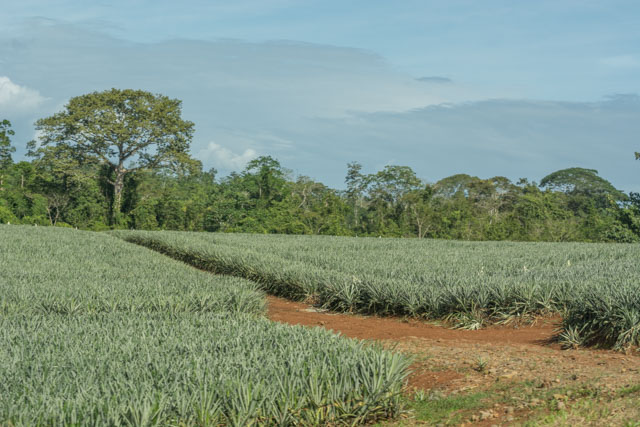
We passed large plantations – sugar cane, orange and pineapple. I was surprised to learn that a pineapple growing with the help of pesticides takes 11 months to ripen, and 18 without. No wonder organic stuff is dearer. The taste of pineapple here is incredible, this place has got me eating fruit… need I say more?

By the side of the road, we came across an active sloth. This was a three-toed sloth, and they are active during the day, as opposed to the nocturnal two-toed sloth we saw on our night walk a few days ago.

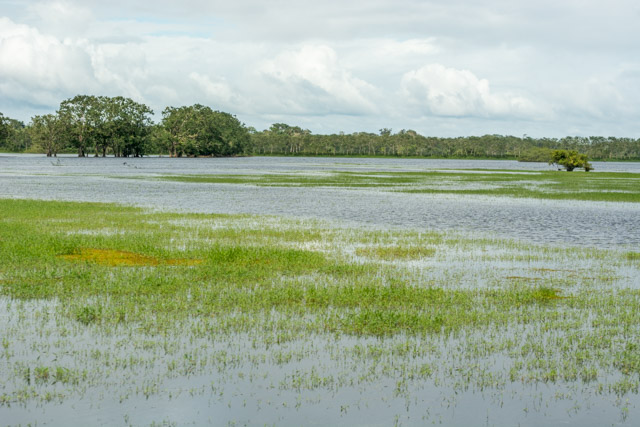
As soon as we left the main road for a dirt track, we saw a variety of wildlife: tiger heron, great egret, a tortuga (turtle), a caiman, Amazon kingfisher, fork-tailed flycatcher, king bird and wood stork amongst many others. The fields had recently flooded and the wildlife were making the most of it.

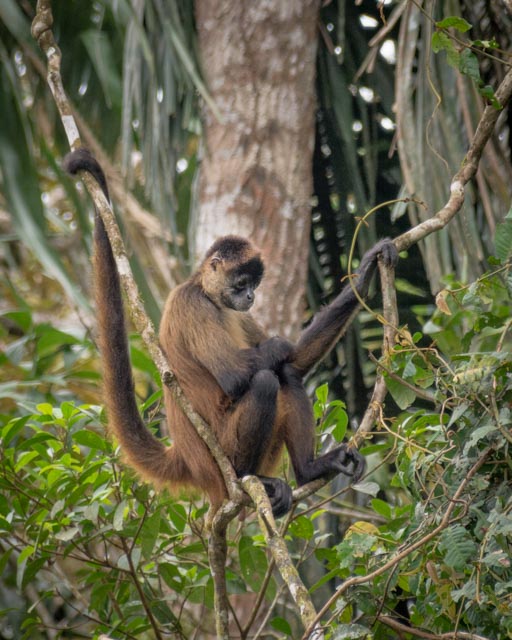
We boarded our boat and set out to explore the Rio Frío. I spent the whole journey on the bow. The scenery was lovely; the vegetation was wild and the wildlife was incredible. Many new birds: potoo, belted kingfisher, anhinga, laughing falcon (Herpetotheres Cachinnans), mangrove swallows (so pretty). A caiman, iguanas, a basilisk (vivid green lizard) and three types of monkeys. The howler monkeys had babies and it was fun to watch these making sense of branches and co-ordination. One female adult is in charge of the creche, and was busy supervising them all. The spider monkeys ignored us totally. And an orange monkey – a sadder story. Due to the predators, the monkeys don’t travel as much as they used to, so there is a fair amount of incest going on. This monkey is bright orange as a result and it was kicked out of the colony.

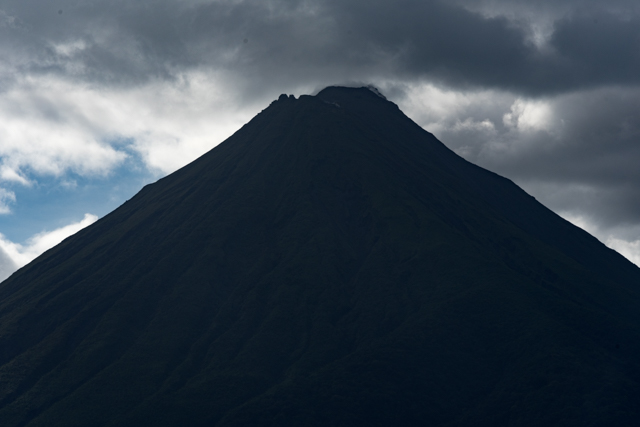
On the way back to La Fortuna, we were treated to a rare sight – the Arenal volcano was completely clear, no clouds.

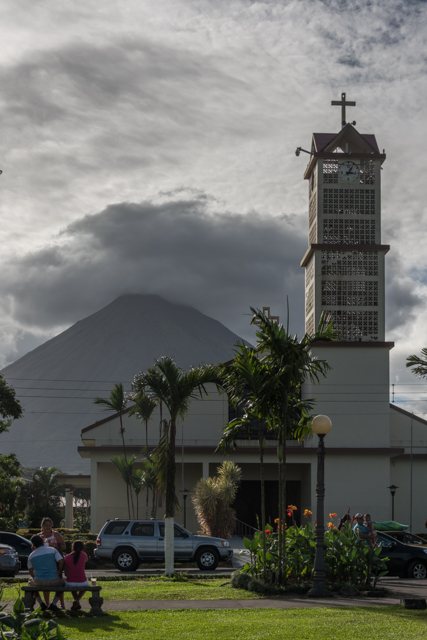
As it was still quite early, we decided to explore the town. Ten minutes later, having walked around the main square and visited the church, we treated ourselves to ice-cream.

We wandered to a bar near the hotel. We sat down, ordered margaritas and wrote our diaries. I declared today a top day. The river was so quiet, beautiful and so full of life.

An angel in my chocolate

A very slow start to the day, although it amuses me that the days without an alarm call are the days I naturally wake up early. Andy went to get us mugs of coffee, and we pottered about in our room.

As we were going out for breakfast, we were told that the check out was now an hour earlier… so we backtracked and packed our bags. This made me grumpy. I left the room to go and have breakfast, not to go back in and pack.

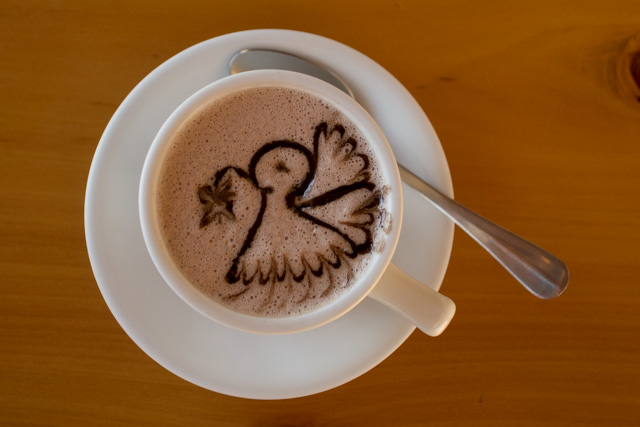
I was well grumpy by the time we got to breakfast. A nice hot chocolate and an egg and cheese croissant somewhat helped to redress the balance.

As we were half-way to town, we continued down and checked out the supermarket for coffee to take home and then decided not to bother. At Beso, we had full flavoured cappuccinos. Back up the hill, we explored a burnt-out restaurant (this place would be condemned and out of bounds back home!) and a not very good art centre.

We sat outside our room for a while, and watched the birds feeding on bananas.

Whilst waiting for our bus, we faced-time Omar and Jenny and it was good to see the kitties looking happy and well.

Our two hour journey to the ferry was stunning. The landscape and the wildlife put on good shows. We stopped for a few minutes to watch a toucan, and a Montezuma Oropendola (or, as I would say another exotic looking bird).

The ferry journey was equally beautiful, with great views of the Arenal volcano.

We’re now in La Fortuna. We’re much lower down again, so it’s warmer – back to t-shirt weather – and there is no wind (but I can still hear it in my ears).

There are three main streets to the town, and that’s mostly bars and restaurants catering for young American tourists. We went to such a place to sample a few local craft beers, and then went round the block a few times to search for an elusive vegetarian restaurant. I can’t believe we had more luck finding a Quetzal in the rainforest yesterday!!!

So, we bought snacks in the supermarket and retired to our room.

So many shades of green

We had an early alarm this morning. With today’s itinerary still unknown, we potentially only had a few hours left in Granada and we wanted to go back to The Garden Cafe. Breakfast was fabulous. I had a fresh orange juice, an americano and avocado with cumin and chia seeds on artisan bread. Andy had a posh version of chapiollo which is the staple breakfast here – gallo pinto (beans), scrambled eggs, cheese, avocado, pico de gallo (tomato and onion salsa), tortilla and fresh fruit. We sat in the courtyard again and were rewarded with two new bird sightings – a small bluey-grey one and a medium sized one with bright orange feathers.

Last night, over beers (The Garden Cafe has craft beers; we’re seriously thinking about moving into this cafe) we’d made a plan. We agreed we didn’t want another day in Granada, so if this was our option, we’d hire a car and a driver and would spend our day in León.

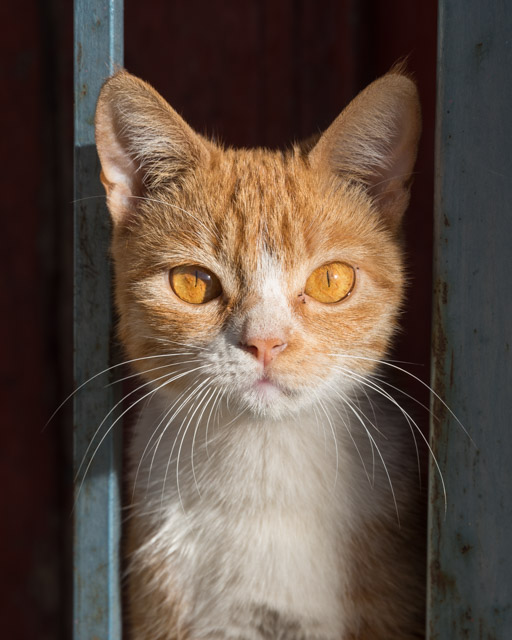
We walked back to the hotel via Calle El Arsenal. Near the hotel, I finally got to cuddle the shy little kitten we’d seen over the last few days. The first time, he ran away as soon as we walked near him, but I got chatting to him and slowly, very slowly, he came forward and we had a nice cuddle.

The news that awaited us is that we’d be leaving in an hour for Costa Rica. And whilst we’re sad to be leaving Nicaragua early, this was definitely the right call. Monteverde, our first stop in Costa Rica, is activity and wildlife central, and spending an extra day there would give us the opportunity to do more activities.

The drive to the border was uneventful. Now, this is what I call a border crossing! Off the bus, navigating money exchange men, hawkers, food sellers, pickpockets and container lorries. The place was brimming with activity, and noisy. We walked approx 600 meters, and with the formalities complete, we boarded our new bus.

Welcome to Costa Rica!

At once, the landscape’s totally different. By the road, the housing and the fields look more affluent. In the distance, rugged hills with more shades of green than  you’ve ever seen in your life.

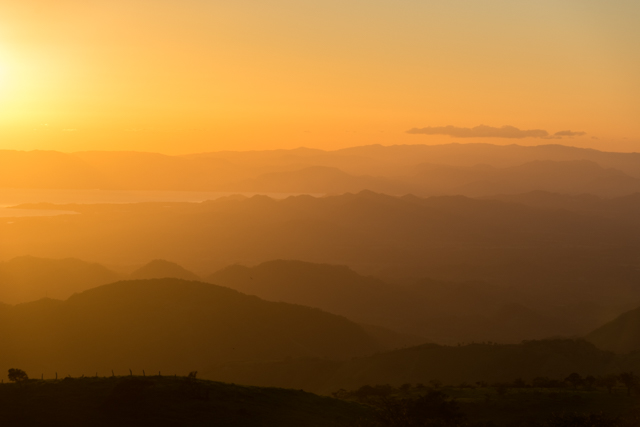
We stopped for sunset. The views over the Gulf of Necoya were spectacular.

As we were arriving in Monteverde a day early, we were going to spend the night in a hotel slightly out of town as everywhere else was full. Andy and I were allocated room 11, and straight away I did think something wasn’t quite right. Looking at the rooms (the hotel has a standard motel shape where you’re facing all the rooms from the car park), the last door had number 10 on it. Turned out, our room was a shed at the back, near the laundry room. When we went in, we noticed a hole in the ceiling, a variety of small animals (some dead, other alive). The tin roof was rattling in the wind. There was no door to the bathroom, and no light in there either. The bathroom had a second door which opened onto the car washing area; the worst thing about it was that above the door, there were wooden slats with big gaps between them… which were obviously letting more animal life in, including mosquitos. We got our bags together, Andy grabbed Dennis and asked for a lift to town, explaining that we would not be staying the night there. It all turned out well in the end. The hotel where we were going to spend the next two nights had one room left and it’s lovely. Big, spacious, airy… and the best thing? We don’t have to move for three nights. Yeah!

With this sorted, we went out for dinner. The wind was gusty and strong (the day before yesterday, the wind was 100 km a hour, with heavy rain). The temperature is fresher than we’ve had in a long while, so the warm layers came out. So much so that we had a bottle of Malbec for dinner; no beers in sight!

Early night. Tomorrow is full on!

Roaming the streets of Granada

It’s difficult to plan your day when you don’t know what’s going on. Initially, we were meant to leave Granada at 2pm today, and had the morning to ourselves to explore the town. This got brought forward to 12 noon, and then we were told we’d have a briefing at 11am.

We have breakfast in the hotel as the place we had in mind – with good organic Nicaraguan coffee – doesn’t open on Tuesdays. And then as we’re ready to go and explore, Dennis told us that the briefing is cancelled; we’re not moving on and will be in Granada all day. Oh.

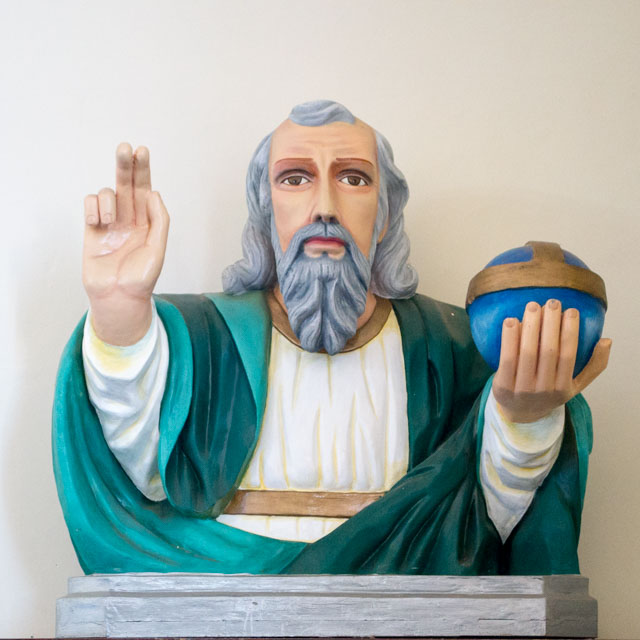
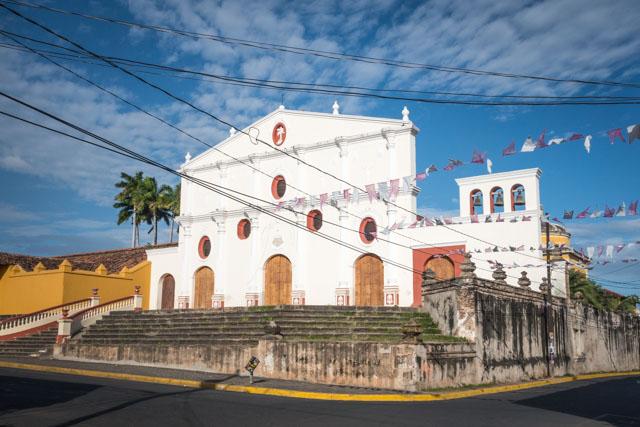
Our first excusion took us to La Merced church. As we admired the stunning facade of the church, a man passed us holding a squeaking piglet in each hand. The church is a lovely old building. We went in and came across some funny odd looking saints. We paid 30 cordobas each (about 84p each) and climbed a very narrow staircase to the roof which offered great views over the city. The wind up there was relentless, and we both held on to the railings a couple of times.

The wind… the very reason we are stuck in Granada for an extra night.

We moved on to the Central Square which we have been banned to visit at night for security reasons, and to the cathedral which is currently being renovated. The new murals are striking in their unusualness.

We headed back to our room briefly to put on lighter layers (we had dressed for an air-conditioned bus ride today, not sunny Granada).

I insisted on making a trip to the supermarket to buy some rum to take home. From there, it’s a small walk to the railway station via the Poets’ square. We paid a man 30 cordobas each and got access to an old engine, the former platforms and a few carriages (including the presidential one). Andy is a happy bunny.
We continued to the San Francisco church and former convent – now a museum. There are five strands to the museum and we take our time (there isn’t that much to do in town). The first patio is dedicated to religious festivals and folklore – all the descriptions of the ceremonies describe people roaming the streets. The next bit is a model of the city and we tried to work out what we have done and seen so far. We passed some wooden doors, presumably rescued from colonial buildings. Next, there are two rooms full of art from local artists – colourful naive style. Some depicting the gruesome history of Nicaragua. This is followed by religious artefacts and odd looking wooden representations of saints and Jesus. The explanation is that carving wasn’t a local skill until the Conquistadors came and trained locals in the art. The last part was reproductions of mesoamerican stonework, and some old pots. It’s a very odd museum. The good thing about it is the layout; it’s in the old convent so all the rooms face internal courtyards with palm trees and rocking chairs in the shade.

We stopped for lunch at the amazing Garden Cafe. We tucked into a fresh avocado, carrot and hummus sandwich and a tabbouleh and hummus wrap. Delicious. I ordered a mint lemonade and Andy got a machiatto (the best coffee he’s had in a long time). We’re about to go when we noticed a hummingbird darting about; we observed it for a while. They’re funny little things.

We explored a few more back streets on the way back to the hotel, peaking inside various art galleries.

We had cold drinks by the pool, wrote our diaries and waited for our 6pm briefing. The winds haven’t let off; our prospect for tomorrow is not great: we either stay another day in Granada (please no, we really struggled to fill our day today) or leave Nicaragua for Costa Rica a day early and forget about the Ometepe Islands (we were supposed to have two nights there, tonight being the first of these but the ferry’s cancelled due to the high wind). We’re still in the dark about our plans for tomorrow; our next briefing is 9am tomorrow.

Oh weather, why are you so hard on us?

Breakdown of an eight hour journey

4.10am. The alarm goes off. Cold showers. We finish packing and make our way to our private bus. An extra two people board our bus – a couple travelling ‘independently’ and who clearly haven’t done their research. We voted to decide whether to give them a lift all the way; free ride! We leave at 5:06am. You wouldn’t know how early it is considering the loud chit-chat going on. The journey takes under an hour. Our last moments in El Salvador; a country we knew little about and an unexpected highlight of the trip so far.

6:14am. ‘Technical stop’ at a petrol station. We drive a little further to the immigration office. Dennis goes off with our passports. There is an issue with one of the guys in our group; he has a fairly common name and there is someone with that name working illegally in Guatemala, so he goes in with extra identification papers. Eventually, we’re free to go and continue on to the ferry ‘terminal’.

7.19am. We walk along the pontoon with our bags, board our boat and put on our life jackets. We have a two-hour boat ride ahead of us. It is pretty uneventful until we stop almost half way through to look at some rocks in the distance. This is where El Salvador, Honduras and Nicaragua meet. Fishermen in dug-out canoes. Gulls diving in for fish. Small islands with even smaller communities on them.

9:10am. We land in Potosi. This is a wet landing; it’s less than a metre to land, but the water is full of jellyfish. We collect our bags and await the signal from border control before loading them into the bus. This is a tiny border crossing and until recently, they were left alone. But Intrepid recently changed the trip itinerary, and every two weeks or so, they have a whole bus-load to process. We have to be on our best behaviour, and after an hour or so, we’re in. Welcome to Nicaragua!

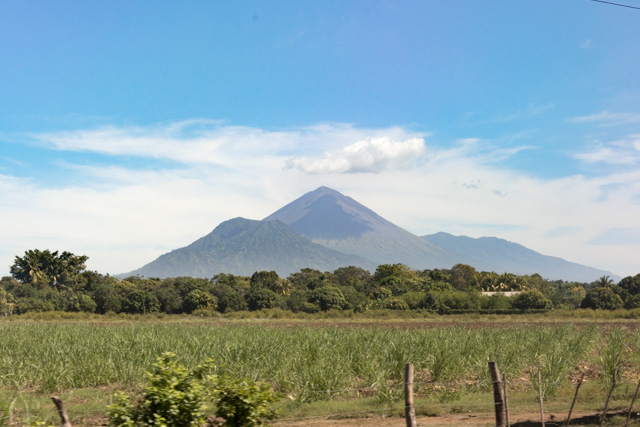
10.19am. We’re on the road. It is extremely rural. The tarmac road is bumpy, and covered in sandy dust. In the distance, we see a smoking volcano. We turn on to NIC-12. The road is instantly much better.

11.14am. We pass small communities. All river beds are more or less dried up. When they’re not, there’s only a small trickle of water which is either full of rubbish or looking contaminated. Later on, we pass communities with signs with a blue and white logo I recognise well.

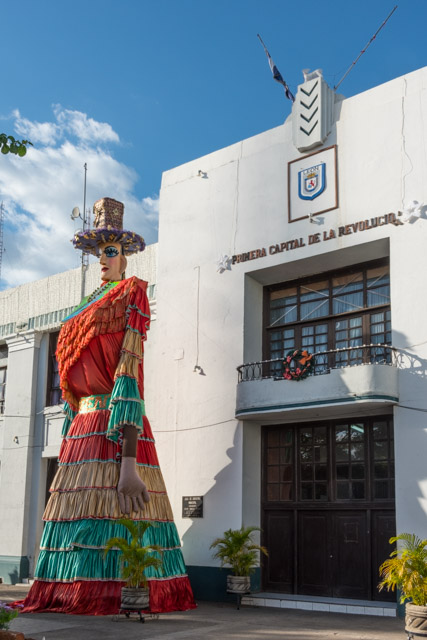
12.27pm. We make a ‘technical’ stop in Chinandega. We get out of the bus and the heat hits us. The final stretch. We’re on the Pan-American Highway. We pass big agricultural fields. With less trees by the side of the road, we have open views for once. The traffic slows us down but we arrive in León in time for lunch. It is 34c. No breeze, no humidity, just pure heat. I have a feeling that the little chap with the moustache above is a celebrity; as a stereotype Central American man, I guess the products he advertises appeal to the masses.

We’re both excited to be in León. The first impressions are good. The town has awe-inspiring churches, is renowned for its culture, has an edgy feel and all this against a background of crumbling colonial buildings.

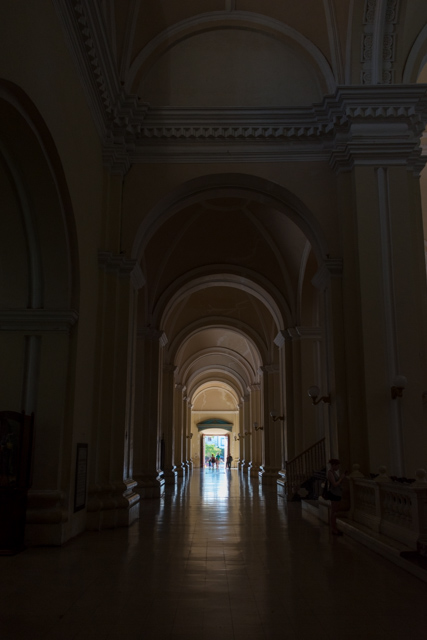
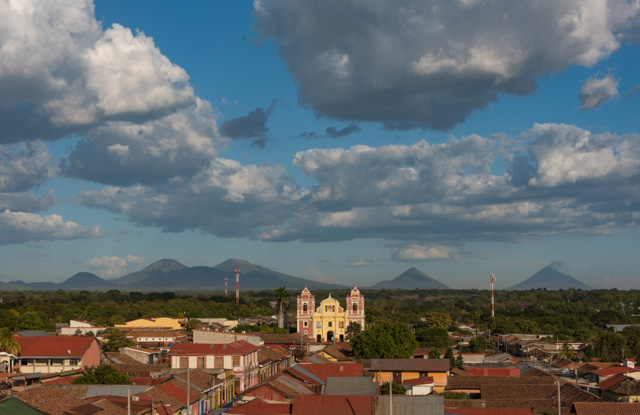
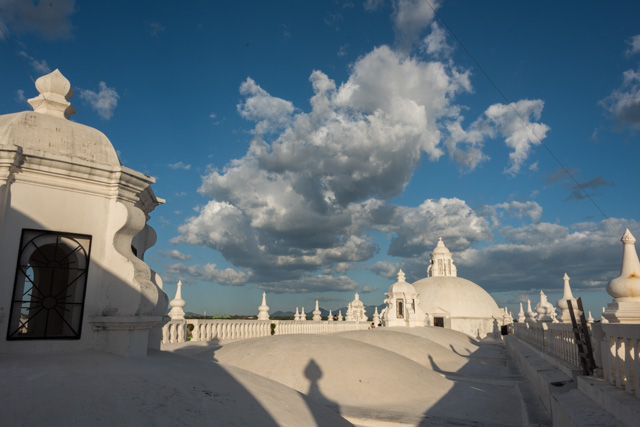
We walk the streets, randomly at first, and then go in the Cathedral. It is the largest cathedral in Central America and is one of Nicaragua’s cultural landmarks. We go round the building until we find the ticket office, pay $3 each and walk all the way round again until we find a small door, and make our way up to the roof. We’re told to take our shoes off, and not to walk on the domes or we’ll go straight through. We’re also told not to climb on the railings. We witnessed a youth doing so, and promptly being escorted out by the guards, along with his mates (they were told off for not stopping him). We’re rewarded with bird’s eye views of the town, and the surrounding countryside.

We come across the martyr monument, the poets’ square and the museum of the revolution – all this we’ll explore in detail tomorrow. We also come across the Church of la Recolección which looks stunning with the late afternoon sun glowing on it.

6pm. Back to our hotel for a rest and to read up about the Sandinista National Liberation Front, as this is what tomorrow morning is all about.

Enjoy today

At 5.30am this morning, we were in a pick-up truck on our way to Lake Suchitlan for our kayaking adventure.

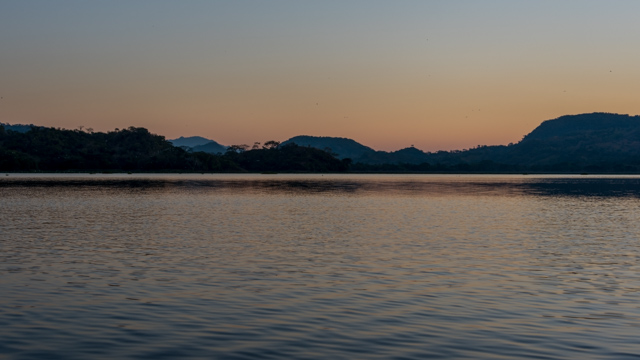
The water was extremely still. There was no one about, apart from one or two fishermen. The sunrise revealed beautiful scenery. We hugged the coastline, and spotted many birds – most of them birds we’d never seen before or even heard of.

We’re fairly inexperienced kayakers, and although we were having fun, we were constantly having to catch up with the other two kayaks.

On our way back to Suchitoto, we stopped at Agua Caliente. This is when I realised that I’d forgotten my swimming costume. My clothes were soaked from paddling, so I decided to jump into the hot spring fully clothed.

Breakfast at La Casa de la Abuela was rushed. Andy had a drip coffee which he enjoyed. We ate quickly as we were leaving at 10am; we met up with Arnando, who was going to be our driver again today. Still very chirpy.

We’re a little sad to be leaving Suchitoto. This tiny laid-back town’s certainly a discovery. The four hour drive to El Cuco went quite fast, with the hilly landscape giving way to towering volcanoes, and eventually the Pacific Ocean.

As he left us, Arnando gave each of us a hug.

We’re staying at La Tortuga Verde for two nights. When Andy was learning Spanish in preparation for this trip, the word tortuga came up in almost every single lesson. He joked at the time that this wasn’t a very useful word to know. How wrong he was!

We’re given numbered bracelets, which means that everything we order can be charged directly to our room.

We had smoothies on the beach, and signed up to a 30 mins massage each. That was a good move! So relaxing (with the sound of the waves in the background) and a good therapy for those achy kayaking muscles.

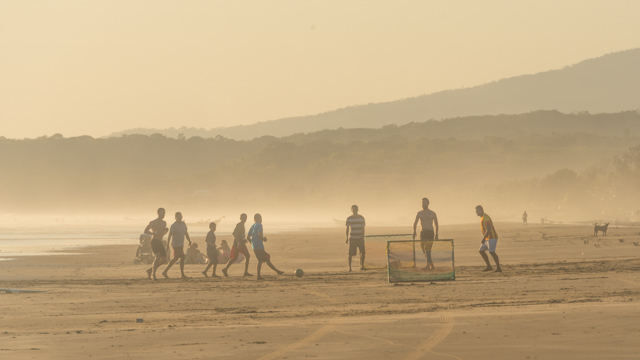
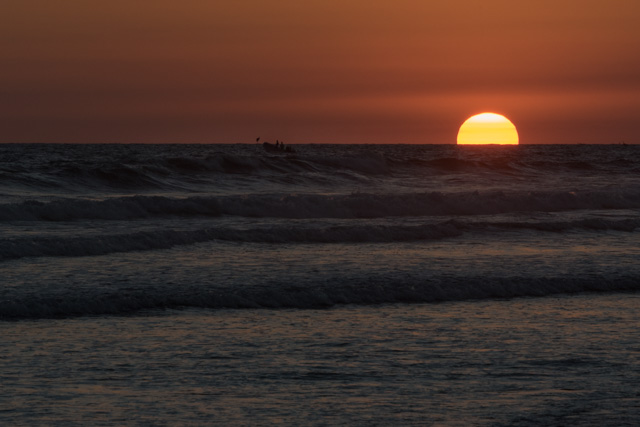
Sunset on the beach. Black sand. Little crabs scurrying along. A few people surfing. Some playing football.

At the bar, we grabbed ocean-facing seats, and happily sipped our cocktails – piña colada (that fresh pineapple again) and margaritas.

We have a whole day here tomorrow.

One day, three countries

Baleadas for breakfast. Andy opted for the simple one (beans and cheese), and I added eggs to mine. They were good. Baleadas is the local dish of Honduras and you can have it for breakfast, lunch, or dinner.

We walked down to town, as we’d read that Casa Ixchel made excellent coffee. Whether they do or not will remain a mystery. 25 minutes after placing our order, there was still no sign of coffees. Telling the staff that we’re in a hurry made no difference so we left, coffee-less.

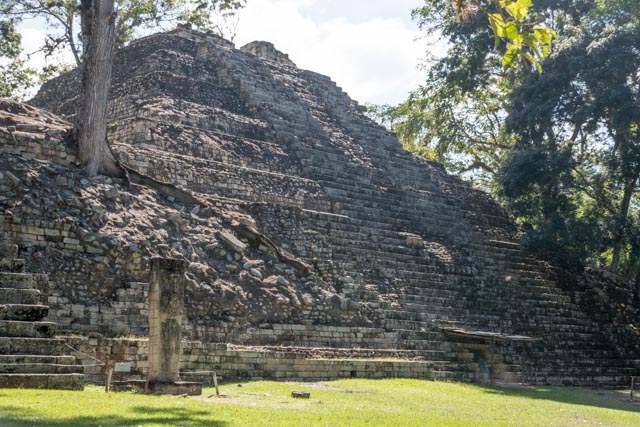
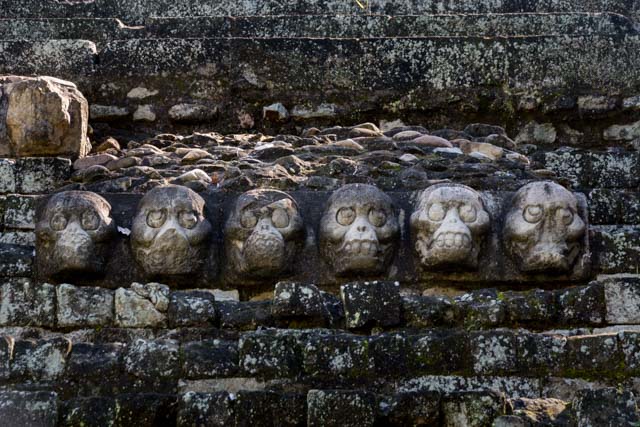
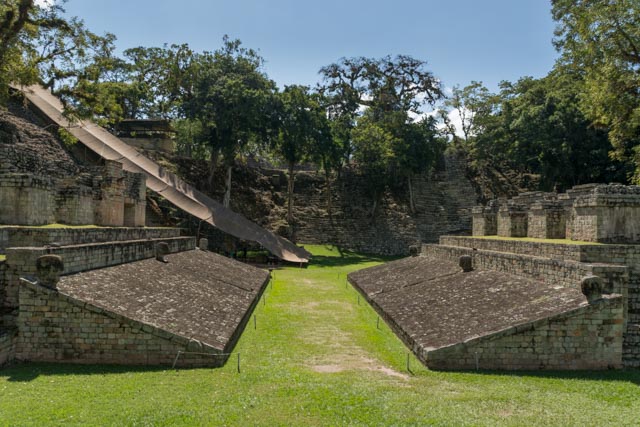
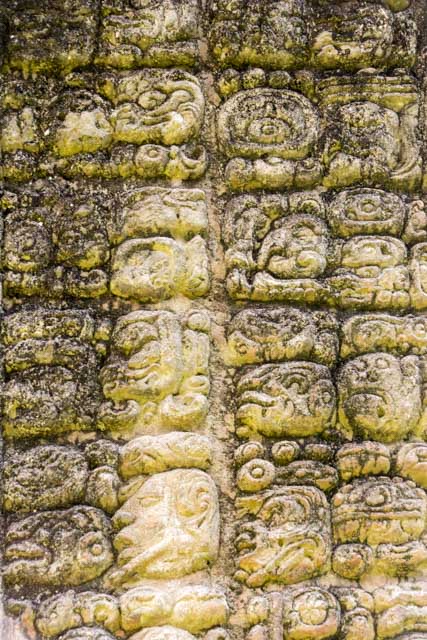
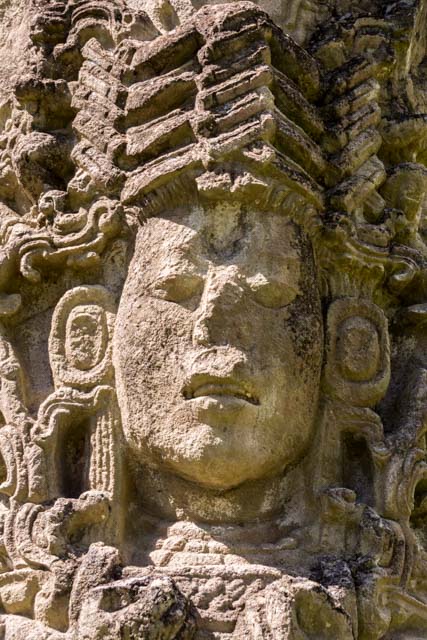
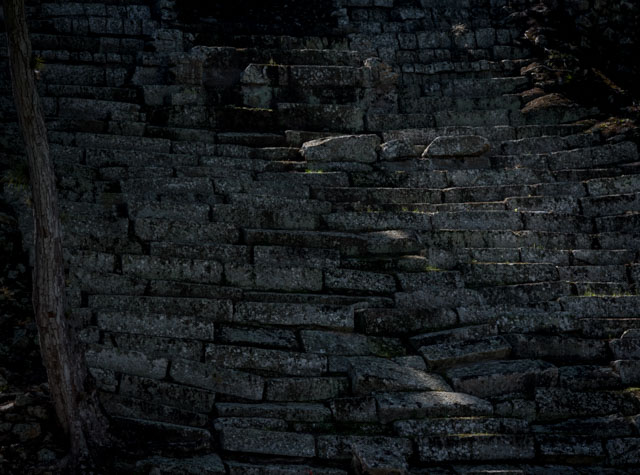
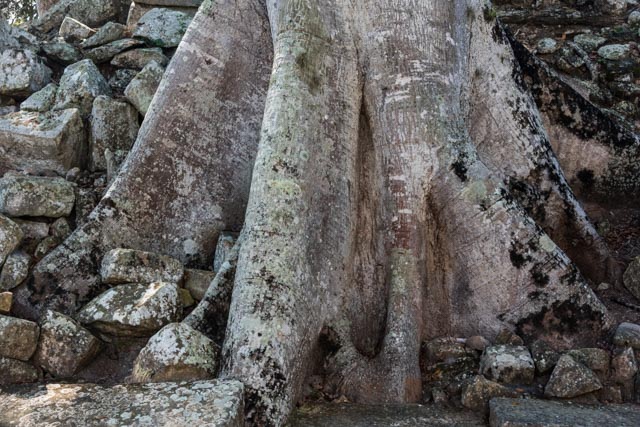
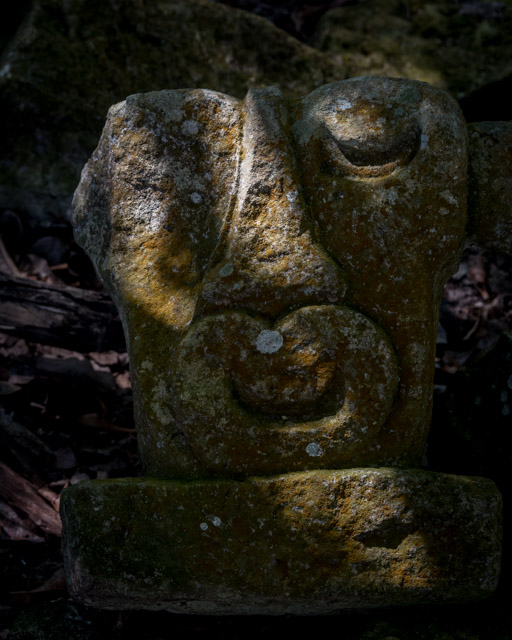
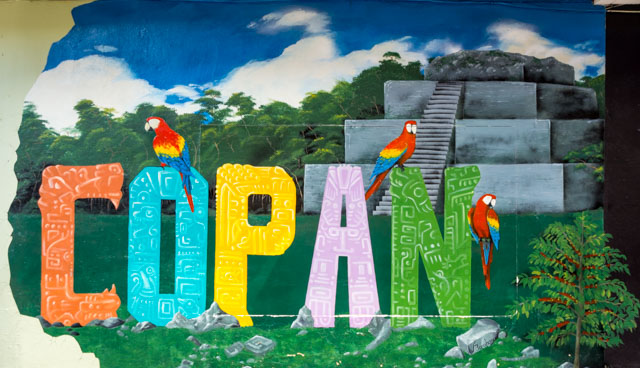
We boarded a tuk tuk for the ten minute journey to the ruins. One of the most important of all Maya civilisations lived, prospered, then mysteriously crumbled around the Copán archaeological site. At its peak, the site covered 24 square kilometers. The layout feels like a modern town, with the royal quarters on one side and secondary temples just off the main plaza. There are remarkable sculptures and hieroglyphics, including the 63-step hieroglyphic stairway. We heard more about Yax Kuk Mo, who came from Tikal and whose dynasty lasted sixteen years.

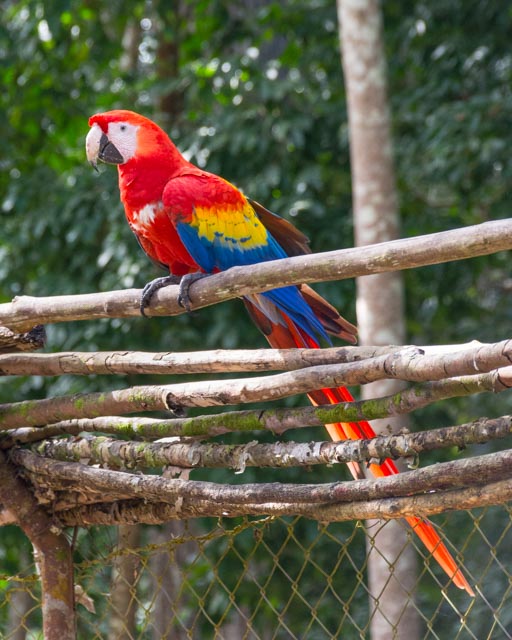
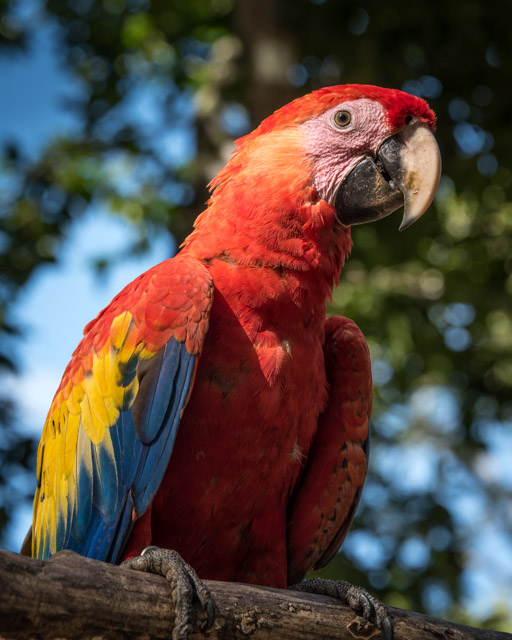
One of the highlights has to be the noisy and colourful macaws.

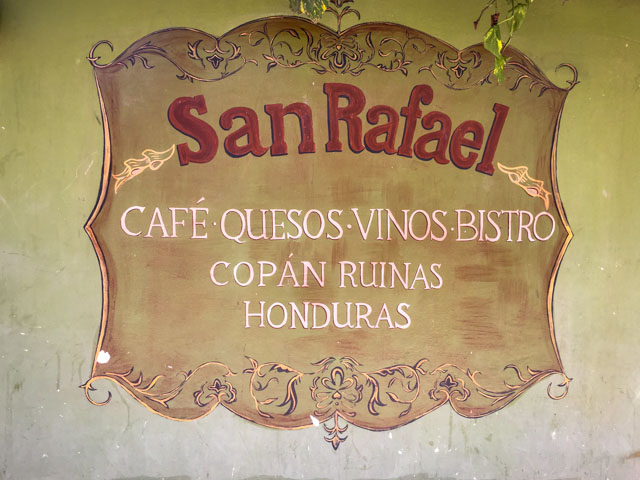
Back in town, we had just over an hour to see the sights, explore new streets, take photos we’d noticed and have lunch. We had yummy cheese sandwiches at Café San Rafael; mine came with the most tasty avocado. Andy finally had his cup of coffee (they serve their own organically coffee grown). The food was excellent, and the service super friendly.

Our stay in Honduras was short, but very enjoyable. Copán Ruinas has a nice feel to it. The food was good. The locals are friendly. It would have been good to see a bit more of the country. It certainly has its problems and we’re not naive enough to think we’ve seen the ‘real’ Honduras.

At 1pm, we left for El Salvador, via Guatemala. Somehow, it’s easier to cross back into Guatemala than to go directly through to El Salvador, and it saves us a number of hours on the road.

Our bus driver, Arnando, is the best. He has a sense of humour, and you can tell that he really enjoys his work. He provided us with cold bottles of water, anti-bacterial gel and Wifi (funny aside, we had better WiFi in our bus today than we currently have in our hotel).

We snack on Zambos, the most popular crisps in Honduras. And probably the most controversial crisps I have ever eaten. Crisps with an ugly history. The name itself is a racist term used to describe mixed race people. Critics of the company have accused it of engaging in violence, theft and corruption.

Crossing back into Guatemala is as easy as it was to leave the country yesterday.

A couple of hours later, we leave Guatemala. Again, the border crossing was dead easy. We remained in our seats. Some guy got in to change our quetzales into dollars (the official currency of El Salvador). Instantly El Salvador feels different. The road is new and smooth. There is minimal litter about. The toilets at the petrol stations are clean. These are details, but important ones when you spend most of your day on the road.

We arrived in Suchitoto just after 6:30pm. We got into our room, unpacked, took the laundry down to reception, had showers and then realised that our room was like an oven. The wall near the bed was boiling so we packed up and decamped to what turns out to be a much nicer room.

After choosing our activities for the next few days, we went to dinner at a local restaurant near the hotel. The owner trained as a chef in the big city but decided to come home to cook local food. It’s a small restaurant, but busy all night. He cooks two types of pupusas – the traditional one with beans and cheese (to which non-vegetarians can add beef or pork), and the other one is more avant-garde in the world of pupupas – with garlic and spinach. They both come with a tomato sauce and curtido. Delicious. We were talking about food at lunchtime and how they can afford to have simple things on the menu in this part of the world as the ingredients are so good.