
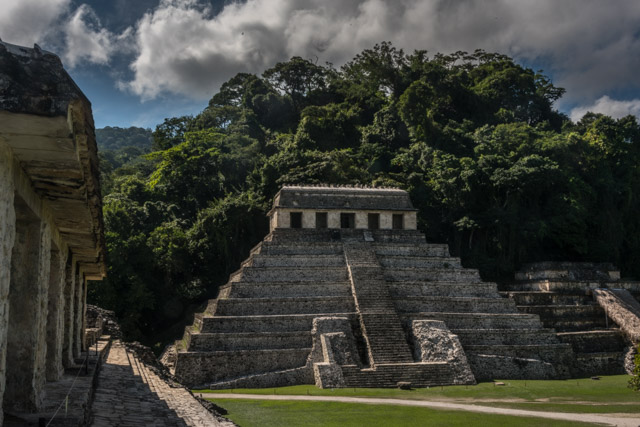
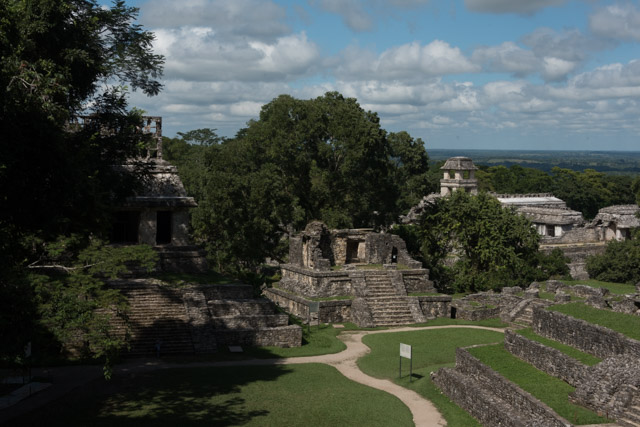
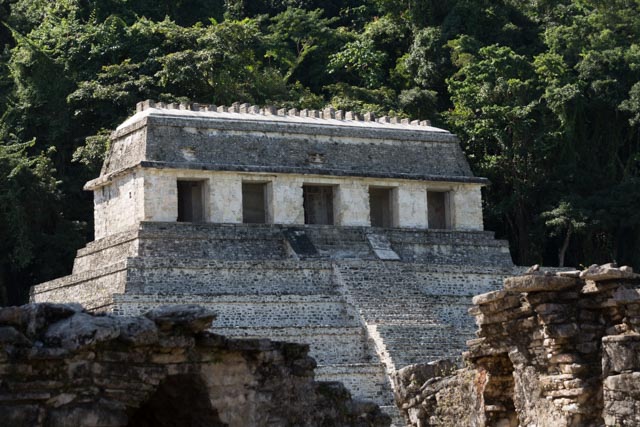
Palenque sits in the jungle. It is hot here, and humid. The main reason to come here (well, the only reason really) is the ruins. Our first Mayan site.
After a very tasty breakfast, huevos Mayan and fresh juice, we got a taxi to the ruins. At 8:30am, you have the place pretty much to yourself.
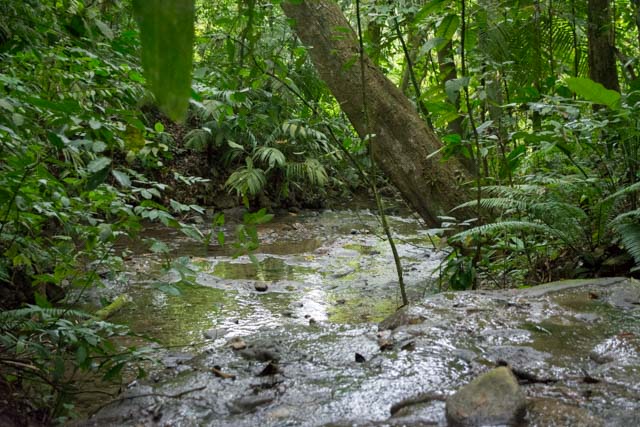
We started with a walk in the jungle. The vast majority of the ruins are covered by a jungle of cedar, mahogany, and sapodilla trees. Only about 10% of the site is excavated, leaving many thousands of buildings buried under the jungle. There is money available for excavation we learnt, but not for restoration and maintenance.
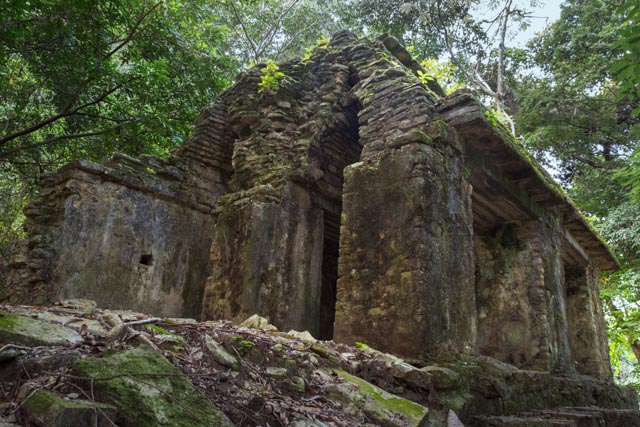
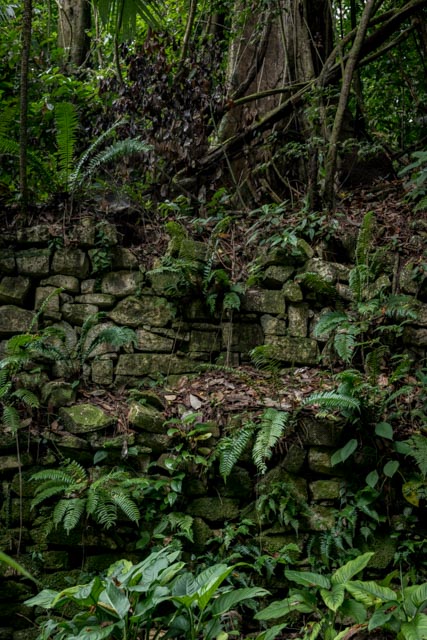
As the walk progressed, we spotted signs of the ancient civilisation – walls, a pool, a temple and an aqueduct. We were given the chance to walk through the aqueduct; a narrow passageway with water underneath our feet, and a bat on the ceiling probably as perturbed by our presence as we were by its presence there. The pool is the only one of its kind discovered so far. The heat and the humidity rose rapidly and we were glad to have done the jungle walk first thing.
The most famous ruler of Palenque was Pakal, who got to power when he was 12 and ruled until his death in his eighties. His tomb was found and excavated in the Temple of the Inscriptions. We saw a reproduction of his tomb in the Anthropology museum in Mexico City; the jewels we saw there however were real – a jade mask and necklaces.
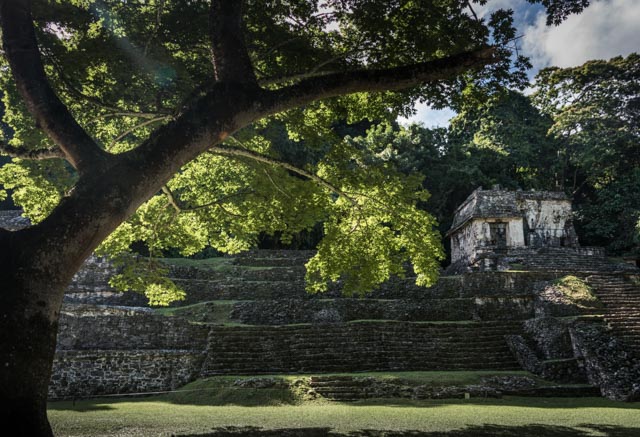
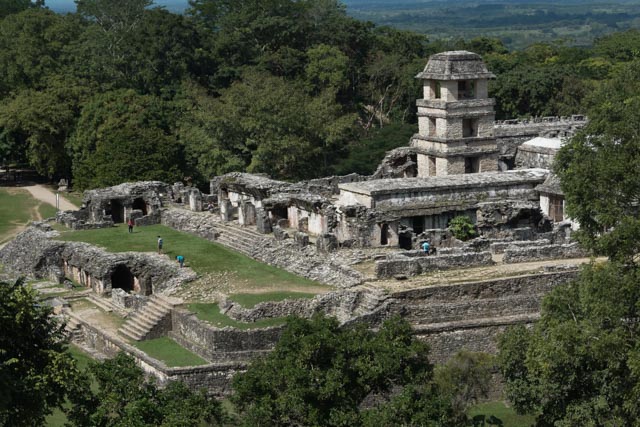
We took in the Temple of the Skull, Temple XIII (commonly known as the Tomb of the Red Queen) and the Palace, which was used by the rulers for administrative duties, entertainment and ritualistic ceremonies and it comes complete with its own observation tower (the Mayan were keen astronomers).
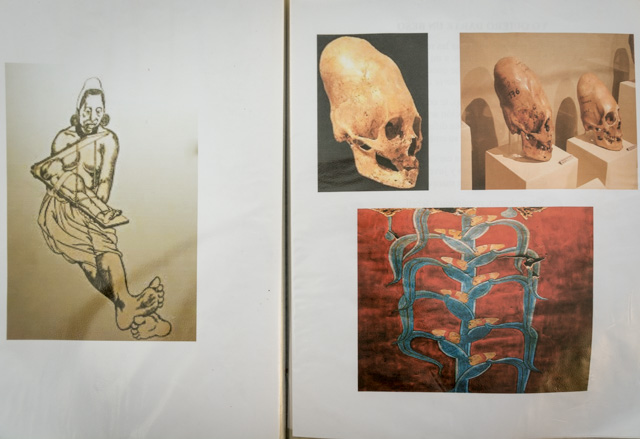
Interesting fact of the day: the Mayan rulers elongated their skulls. This was done by binding the head of infants between two pieces of wood for about six months. The idea was to emulate corn, which was believed to be where people came from.
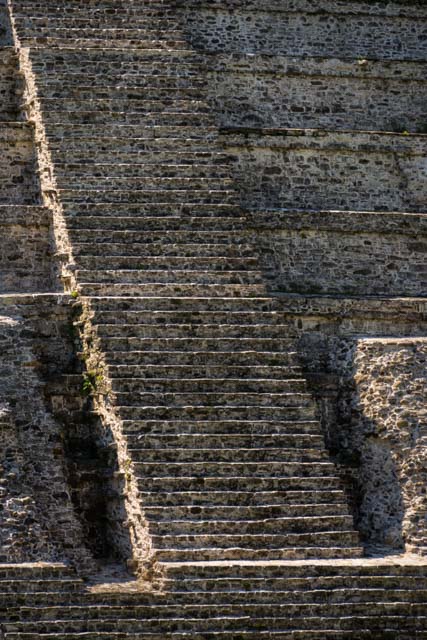
K’inich Kan B’alam took power at his father’s death, and added three important structures to the site: the Temple of the Cross, the Temple of the Sun, and the Temple of the Foliated Cross. Each has many steps which we wearily climbed. In the jungle behind, the sound of howler monkeys echoed around the trees.
From next year, you won’t be able to do the jungle walk anymore, or climb some of the palaces and temples. I think it’s a good thing; at the same time I think it’s a shame. The jungle walk, for example, gave us such an alternative perspective on the ruins.
We jumped into a local bus and back in town, we picked the first bar we came across for refreshing beers. With nothing planned for the afternoon, we had a late lunch, and caught up with our diaries and had a snooze.
We have an overnight bus to Mérida this evening, leaving at 11pm.